
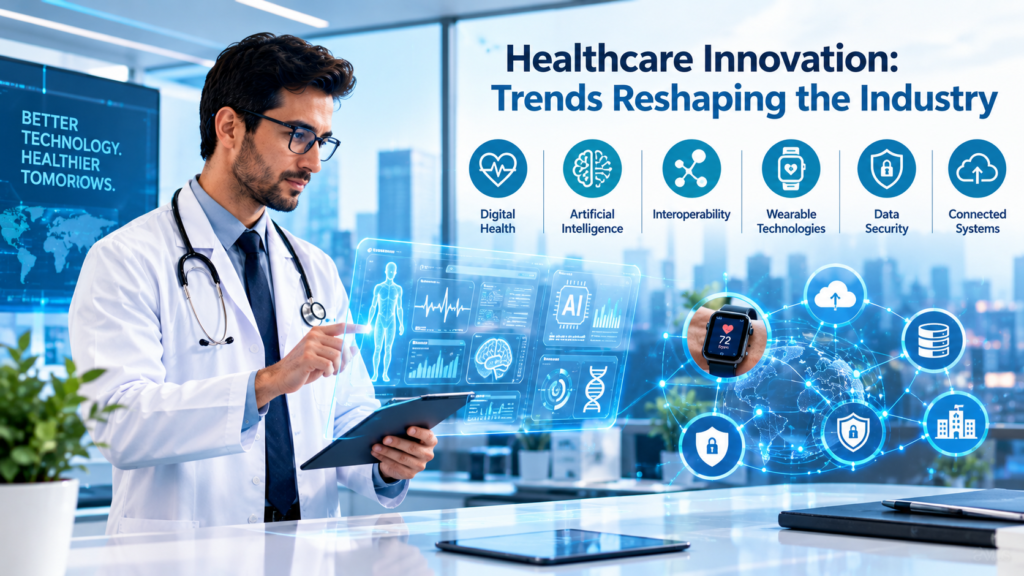
Healthcare is changing as digital tools, connected systems, data technologies, and new approaches to healthcare delivery become more common. Hospitals, clinics, researchers, technology companies, and governments are exploring new ways to use technology within healthcare systems.
This broader movement is often described as healthcare innovation. It includes much more than new medical equipment. Innovation can involve software, data exchange, digital services, connected devices, artificial intelligence, automation, cybersecurity, and new ways of organizing healthcare information.
The World Health Organization describes digital health as an area where innovation and digital technologies can support stronger health systems while also emphasizing the importance of equity, standards, responsible implementation, and sustainable development.
Healthcare innovation is therefore not simply about introducing the newest technology. It is about understanding where technology can provide practical value and how it can be implemented responsibly.
Major Trends Driving Healthcare Innovation
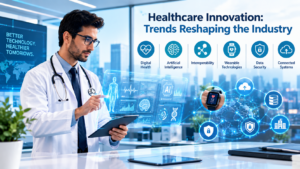
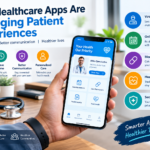
One of the biggest developments is the expansion of digital health. This broad area includes electronic health records, telehealth, mobile health applications, connected devices, health information systems, and other technologies used to support healthcare activities.
Digital systems can make information easier to collect, organize, and exchange. They can also support communication between healthcare organizations, professionals, and patients when appropriate systems are available.
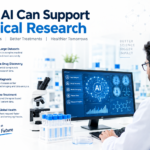
Another important trend is artificial intelligence. Artificial intelligence is being explored across many areas of healthcare technology, including administrative processes, data analysis, medical-device software, and research.
The U.S. Food and Drug Administration maintains an ongoing list of AI-enabled medical devices authorized for marketing in the United States and continues to update its regulatory resources as technology develops.
The growth of AI also creates new questions about transparency, validation, monitoring, governance, and responsible use. WHO has emphasized the importance of safety, equity, ethics, and governance in the development and adoption of AI for health.
Another major trend is interoperability. Healthcare organizations often use multiple systems, so the ability to exchange information between different platforms is increasingly important.
The Office of the National Coordinator for Health Information Technology identifies interoperability as an important part of healthcare information exchange. ONC also supports standards such as HL7 FHIR, which is designed to help represent and exchange health information through modern application programming interfaces.
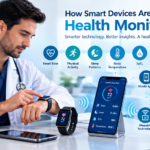
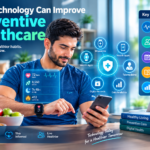
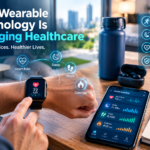
Connected devices are another growing part of healthcare innovation. Wearable technologies can include smartwatches, activity trackers, connected sensors, and other devices that collect selected information.
Depending on the device, sensors may record information such as movement, heart rate, sleep patterns, temperature, or other signals. Researchers are also exploring how connected devices can generate useful datasets for research and health monitoring.
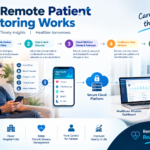
Remote monitoring is another area where connected technology is developing. Digital systems can allow selected information to move from a person’s location to a healthcare organization when the technology and workflow are designed for that purpose.
These developments are creating a healthcare environment where information can increasingly move between people, devices, software platforms, and organizations.
Opportunities and Challenges of Healthcare Innovation
Healthcare innovation can create opportunities for more connected and organized systems.
Digital tools may help organizations manage information more efficiently. Automation can support repetitive administrative processes, while digital communication tools can provide additional ways for organizations and patients to interact.
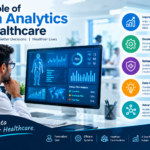
Data analytics can also help organizations understand operational information. For example, healthcare administrators may use digital systems to examine workflow patterns, resource utilization, scheduling information, or other organizational data.
Innovation can also support research. Connected devices and digital platforms may make it easier for researchers to collect information from different environments and over longer periods.
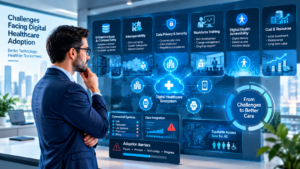
However, healthcare innovation also creates challenges.
One of the biggest challenges is implementation. A technology may look useful in theory but become difficult to manage when introduced into a complex healthcare environment.
Integration is another issue. If different systems do not communicate effectively, employees may still need to transfer information manually.
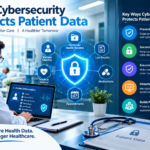
Privacy and data security are also central considerations. Healthcare organizations handle sensitive information, and digital systems create responsibilities around access, storage, transmission, and protection of that information.
The technology itself is only one part of security. Organizations also need appropriate policies, user controls, staff awareness, system maintenance, and ongoing monitoring.
Another consideration is accessibility. Digital healthcare services may depend on internet connections, smartphones, computers, applications, or digital skills. Not every person or community has the same level of access to these resources.
Cost is also important. Healthcare organizations may need to invest in software, hardware, integration, training, cybersecurity, maintenance, and technical support.
There can also be a learning curve for employees. Introducing new technology often changes established workflows, which means organizations need time and resources to help staff adapt.
For these reasons, healthcare innovation should be evaluated based on practical needs rather than technology trends alone.
The Future of Healthcare Innovation
The future of healthcare innovation is likely to involve greater connectivity between digital systems, devices, data platforms, and healthcare organizations.
Artificial intelligence may continue to develop across administrative, research, and medical-technology applications. At the same time, regulators and healthcare organizations are likely to place increasing attention on responsible implementation, transparency, and oversight.
The FDA’s current digital-health resources show how quickly AI-enabled medical technology is expanding while also highlighting the importance of lifecycle management and regulatory oversight.
Interoperability is also likely to remain a major area of development. ONC’s ongoing standards work, including updates to the United States Core Data for Interoperability, demonstrates continued attention to improving the exchange and use of electronic health information.
The World Health Organization is also continuing work on digital health strategy and innovation. Its updated Global Strategy on Digital Health extends the strategy through 2027, while work is already underway toward the next global strategy covering 2028–2033.
Future healthcare environments may therefore become more connected, data-driven, and digitally integrated.
However, successful innovation will depend on more than technological progress. Healthcare organizations will also need appropriate governance, privacy protections, security measures, interoperability standards, workforce training, and equitable access.
The most useful innovations may not always be the most complicated ones. In many cases, practical improvements to information exchange, workflow management, communication, and system integration can be just as important as advanced technologies.
Conclusion
Healthcare innovation is reshaping the industry through digital health systems, artificial intelligence, connected devices, interoperability, automation, data technologies, and other emerging tools.
These developments can create new opportunities for healthcare organizations, researchers, professionals, and communities. At the same time, innovation brings challenges involving privacy, security, access, integration, cost, governance, and implementation.
The future of healthcare technology will likely depend on finding a balance between innovation and responsible use. Technology can provide new capabilities, but thoughtful planning and appropriate oversight remain important parts of building sustainable digital healthcare systems.
Editorial Note: This article is intended for general informational and educational purposes only. It does not provide medical, diagnostic, treatment, medication, legal, regulatory, or professional advice.