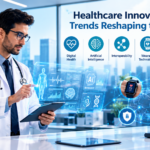

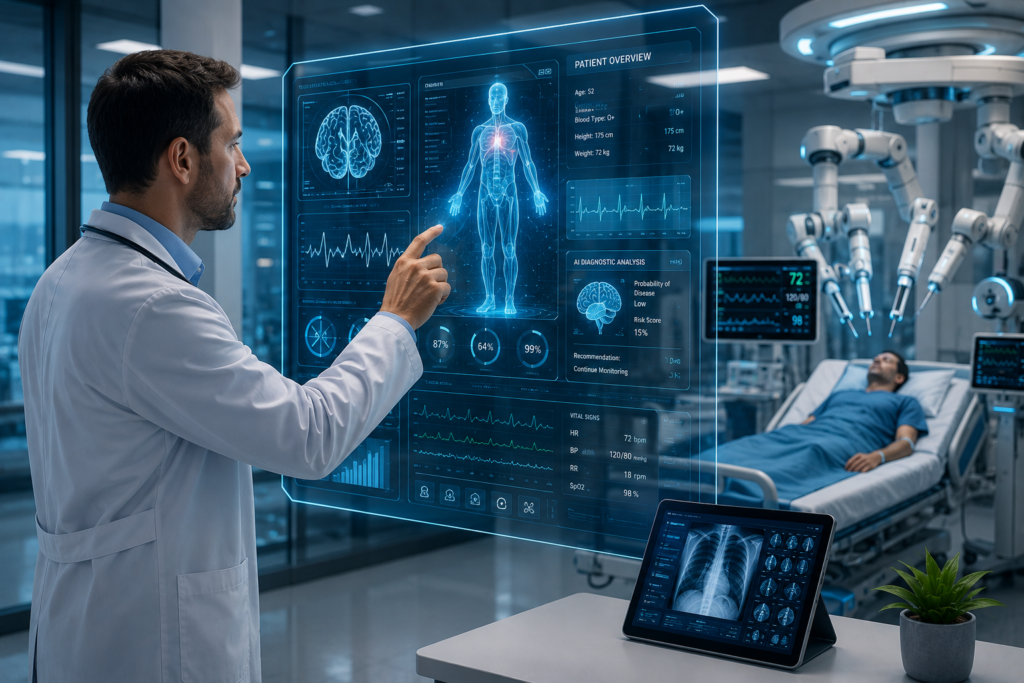
Healthcare is one of the most essential sectors in every society. As technology continues to evolve, healthcare systems around the world are becoming more efficient, accurate, and patient-focused. From artificial intelligence and telemedicine to wearable devices and electronic health records, modern healthcare is transforming the way doctors diagnose illnesses, monitor patients, and deliver treatment.
The goal of today’s healthcare industry is not only to treat diseases but also to prevent them. Early diagnosis, personalized treatment plans, and digital health technologies are helping patients live healthier lives while reducing healthcare costs.
For healthcare providers, embracing innovation means improving patient outcomes, reducing medical errors, and delivering faster, higher-quality care.
The Rise of Digital Healthcare
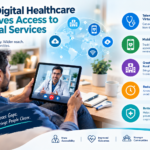
Digital healthcare has changed how patients interact with medical professionals. Instead of relying solely on traditional hospital visits, many healthcare services are now available online.
Digital healthcare includes:
- Online medical consultations
- Electronic health records (EHR)
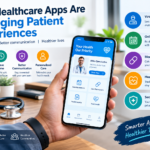
- Mobile health applications
- AI-powered diagnosis
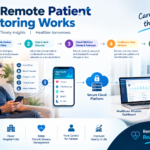
- Remote patient monitoring
These technologies improve communication between patients and healthcare providers while making healthcare more accessible.
According to the World Health Organization (WHO), digital health technologies have the potential to strengthen healthcare systems and improve patient outcomes globally.
Artificial Intelligence in Healthcare
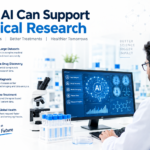
Artificial Intelligence (AI) is becoming one of the most valuable tools in modern medicine.
Healthcare professionals use AI to:
- Detect diseases earlier
- Analyze medical images
- Predict patient risks
- Recommend treatment options
- Improve hospital operations
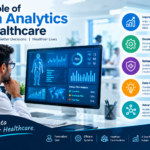
AI helps doctors process large amounts of medical data quickly, allowing for faster and more accurate decision-making.
Rather than replacing physicians, AI supports healthcare professionals by providing valuable clinical insights.
Telemedicine Is Expanding Access
Telemedicine has become one of the fastest-growing healthcare services.
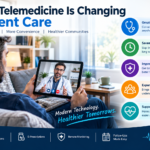
Patients can now consult doctors through secure video calls without traveling to hospitals or clinics.
Benefits include:
- Faster appointments
- Reduced travel costs
- Improved access for rural communities
- Better follow-up care
- Lower waiting times
Telemedicine has made healthcare more convenient while increasing access to qualified medical professionals.
Wearable Health Technology
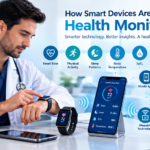
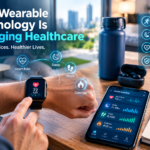
Wearable devices are helping individuals monitor their health every day.
Popular wearable technologies track:
- Heart rate
- Blood oxygen levels
- Sleep quality
- Physical activity
- Calories burned
Some advanced devices can even detect irregular heart rhythms and alert users to seek medical attention.
Continuous monitoring allows patients to identify health issues earlier and maintain healthier lifestyles.
Electronic Health Records Improve Patient Care
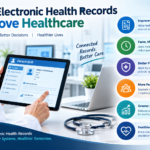
Electronic Health Records (EHRs) allow hospitals and clinics to store patient information securely in digital form.
Healthcare providers can quickly access:
- Medical history
- Laboratory results
- Prescriptions
- Allergies
- Previous diagnoses
Digital records reduce paperwork, improve communication between healthcare providers, and minimize medical errors.
Personalized Medicine
Modern healthcare is moving toward personalized treatment.
Instead of using identical treatments for every patient, doctors increasingly consider:
- Genetics
- Lifestyle
- Medical history
- Environmental factors
Personalized medicine improves treatment effectiveness while reducing unnecessary side effects.
Researchers continue discovering new ways to tailor treatments to individual patients.
Preventive Healthcare Is Becoming a Priority
Healthcare systems increasingly focus on preventing diseases instead of only treating them.
Preventive healthcare includes:
- Regular health screenings
- Vaccinations
- Healthy nutrition
- Exercise
- Mental health support
Early detection allows doctors to identify diseases before they become serious, improving recovery rates while lowering treatment costs.
According to the Centers for Disease Control and Prevention (CDC), preventive healthcare significantly reduces the risk of many chronic diseases.
Healthcare Challenges
Despite remarkable technological progress, healthcare systems still face several challenges.
These include:
- Rising healthcare costs
- Aging populations
- Shortage of healthcare professionals
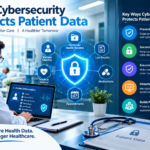
- Cybersecurity threats
- Data privacy concerns
Healthcare organizations continue investing in technology and workforce development to address these issues while maintaining high-quality patient care.
The Future of Healthcare
Healthcare will continue becoming more intelligent, connected, and patient-centered.
Future innovations may include:
- AI-assisted surgeries
- Robotic medical procedures
- Faster drug development
- Advanced genetic therapies
- Smart hospitals
- Continuous remote monitoring
As technology advances, healthcare providers will deliver more efficient, accurate, and personalized medical services than ever before.
Conclusion
The healthcare industry is undergoing one of the most significant transformations in history. Artificial intelligence, telemedicine, wearable devices, electronic health records, and personalized medicine are improving patient care while making healthcare more accessible and efficient.
Although challenges remain, continued investment in healthcare innovation will help create better medical outcomes for patients worldwide.
The future of healthcare lies in combining advanced technology with compassionate medical professionals to deliver safer, faster, and more effective care.