
Preventive healthcare focuses on maintaining health, reducing health risks, and identifying potential health concerns at an earlier stage. Regular checkups, vaccinations, screening services, health education, physical activity, and healthy lifestyle choices are all important parts of prevention.
Technology is increasingly becoming another useful tool in this area.
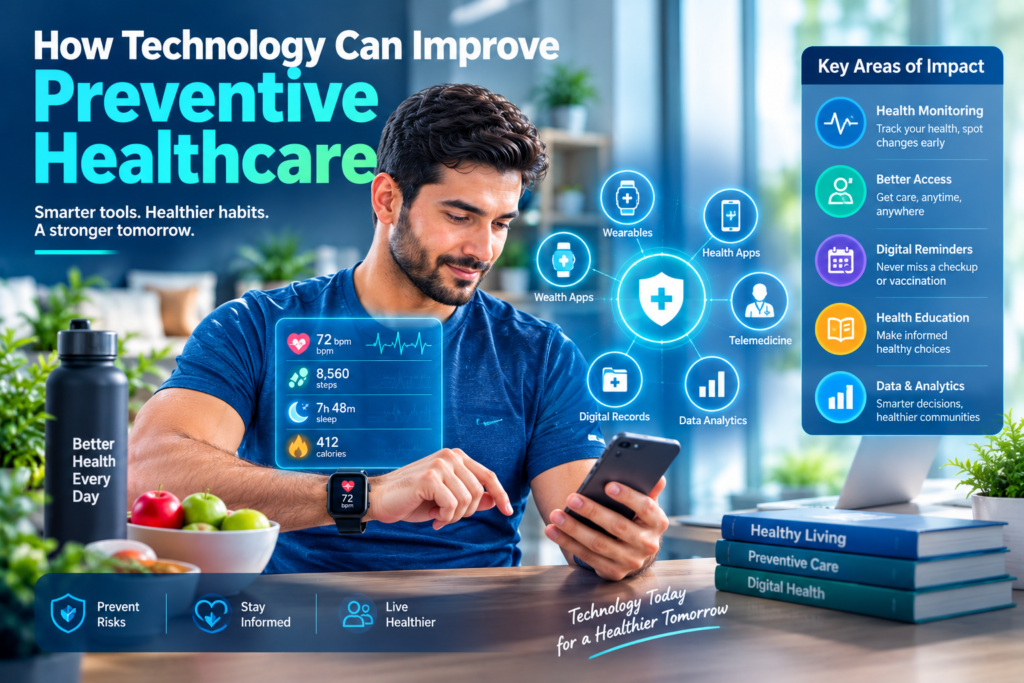
Digital health platforms, wearable devices, mobile applications, telemedicine, electronic health records, and data analytics are changing how people interact with healthcare services. These technologies can make health information easier to access, support health monitoring, improve communication, and help healthcare organizations manage preventive services more efficiently.
The World Health Organization recognizes digital health as an important part of modern healthcare systems. Digital technologies can support access to health services, information management, communication, and health-system improvements. However, technology should support healthcare rather than replace qualified healthcare professionals.
How Technology Supports Preventive Healthcare
Technology can support prevention by making health information and healthcare services more accessible and organized.
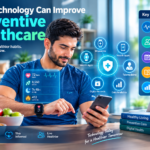
People can use digital tools to track selected health and lifestyle information, receive reminders, communicate with healthcare providers, and learn more about general health topics.
Healthcare organizations can also use technology to manage appointments, reminders, records, screening programs, and population-health information.
Wearable Devices and Health Monitoring
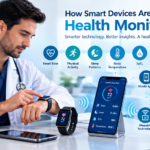
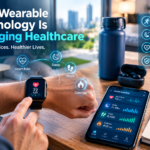
Wearable devices such as smartwatches and fitness trackers have become increasingly common.
Depending on the device, they may collect information related to:
- Physical activity
- Steps and movement
- Heart rate
- Sleep patterns
- Exercise duration
- Other selected health measurements
This information can help users become more aware of their daily habits.
For example, a person who notices that they are consistently inactive may become more motivated to improve their physical activity routine. However, wearable devices should not automatically be considered diagnostic medical devices. Measurements may not always be accurate, and unusual readings may require interpretation by a qualified healthcare professional.
Technology can provide information, but it does not replace professional evaluation.
Mobile Health Applications
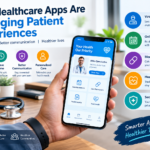
Mobile applications are another growing part of digital healthcare.
Health applications can help users track exercise, nutrition, sleep, appointments, medication schedules, and other wellness-related information. Some applications also provide educational resources and reminders.
These tools may help people become more engaged with their health.
However, the quality of health applications can vary significantly. Users should consider who developed an application, what information it provides, how personal data is handled, and whether the information comes from credible sources.
Digital tools are most useful when they provide reliable information and are used appropriately.
Digital Reminders for Preventive Services
Preventive healthcare often depends on people remembering appointments, vaccinations, screenings, and other recommended services.
Technology can make these reminders easier.
Healthcare organizations can use text messages, emails, patient portals, and mobile applications to remind patients about appointments or preventive services.
For example, an automated system may send a reminder several days before an appointment. This can reduce the need for staff to make every reminder manually.
The CDC describes preventive care as including services such as regular checkups, screening tests, vaccinations, and health education. CDC Preventive Care Information
Technology does not decide which preventive services an individual needs. Instead, it can help healthcare professionals and organizations communicate appropriate recommendations.
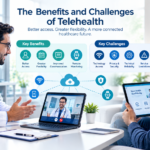
Telemedicine and Prevention
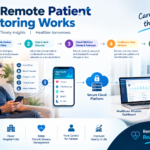
Telemedicine can also support certain preventive healthcare activities.
Remote consultations may provide a convenient way for patients to communicate with healthcare professionals when an in-person visit is not necessary or when remote care is considered appropriate.
Telemedicine can support health education, follow-up communication, and certain preventive services.
However, not every healthcare service can be delivered remotely. Physical examinations, laboratory tests, imaging, screenings, and other services may require an in-person healthcare visit.
The appropriate approach depends on the patient’s circumstances and the judgment of qualified healthcare professionals.
How Digital Systems Support Preventive Healthcare
Technology is useful not only for individual users but also for healthcare organizations.
Digital systems can help healthcare providers organize information, manage preventive services, and communicate with patients.
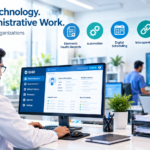
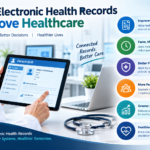
Electronic Health Records
Electronic health records can help healthcare professionals access relevant information during patient care.
When properly maintained, digital records can help organize information such as previous visits, test results, medications, appointments, and other relevant healthcare information.
This can be useful for preventive healthcare because prevention often involves activities that take place over time.
For example, a healthcare organization may need to manage recurring appointments, screenings, vaccinations, or follow-up activities.
Digital records can make these processes easier to organize.
However, health information is highly sensitive. Healthcare organizations must use appropriate privacy and security practices when storing and sharing patient information.
Data Analytics and Population Health
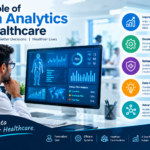
Healthcare organizations can also use data analytics to understand broader health patterns.
For example, aggregated information may help public health organizations understand trends in disease, healthcare service use, or participation in preventive programs.
The World Health Organization identifies digital health and data-driven approaches as important components of modern health systems.
Responsible use of data can help organizations plan services and allocate resources more effectively.
At the same time, data quality matters. Incomplete, inaccurate, or unrepresentative information can affect the quality of an analysis.
Technology can support decision-making, but healthcare professionals and organizations remain responsible for interpreting information appropriately.
Supporting Health Screenings
Technology can also help healthcare organizations organize health screenings.
Digital appointment systems, reminders, patient portals, and electronic records can make it easier to manage screening-related communication.
For example, a healthcare provider may use a digital system to remind eligible patients about an upcoming screening appointment.
The technology itself does not determine whether a person needs a specific screening. Screening recommendations can depend on factors such as age, medical history, risk factors, and professional guidance.
This is why digital tools should be viewed as organizational and communication support rather than a replacement for professional healthcare decisions.
Preventive Health Education
Another important role of technology is health education.
People can access information about nutrition, physical activity, sleep, preventive services, and general health through websites, apps, online courses, and patient portals.
Reliable educational content can help people prepare questions for healthcare professionals and better understand general preventive-health concepts.
However, the internet also contains inaccurate and misleading health information.
People should therefore look for information from credible healthcare organizations, government agencies, universities, and qualified healthcare professionals.
Benefits and Limitations of Technology
Technology can provide several potential benefits for preventive healthcare.
Greater Health Awareness
Digital tools can help people understand certain aspects of their daily habits.
Tracking physical activity, sleep, or other selected measurements may help users recognize patterns in their routines.
This information may encourage healthier behaviors, although individual results should always be interpreted appropriately.
Improved Access
Digital platforms can make certain healthcare information and services easier to access.
For people who have transportation difficulties, live far from healthcare facilities, or need simple administrative communication, digital tools can provide additional options.
However, not everyone has equal access to smartphones, reliable internet connections, or digital services. Digital healthcare should therefore consider accessibility and health equity.
More Efficient Healthcare Workflows
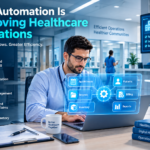
Technology can automate repetitive tasks such as appointment reminders, administrative notifications, and information management.
This can potentially reduce administrative workload and allow healthcare workers to spend more time on activities that require human interaction and professional expertise.
Better Communication
Patient portals, secure messaging systems, email notifications, and other digital communication tools can make certain interactions more convenient.
These systems can help healthcare organizations communicate appointment information, educational materials, and administrative updates.
Communication systems must still be designed with privacy and security in mind.
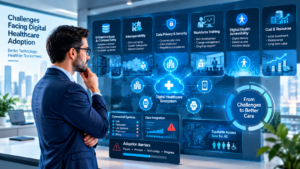
Challenges of Technology in Preventive Healthcare
Technology also introduces challenges.
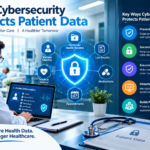
One major concern is privacy. Health information is sensitive, and organizations must take appropriate measures to protect it.
Cybersecurity is another important issue. Healthcare systems can be targeted by unauthorized access, data theft, ransomware, and other security threats.
Accuracy is also important. Wearable devices, applications, and automated systems may produce incorrect or incomplete information.
Another concern is overreliance on technology. People may assume that an application or device can provide a complete picture of their health when it cannot.
Digital tools should therefore complement professional healthcare rather than replace it.
The WHO’s digital-health guidance emphasizes that digital interventions should be appropriately evaluated and should not be viewed as a substitute for functioning healthcare systems.
The Future of Technology-Enabled Preventive Healthcare
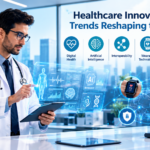
The future of preventive healthcare is likely to involve greater integration between wearable devices, mobile applications, telemedicine, electronic health records, analytics, and other digital technologies.
Instead of simply collecting more information, future systems may focus more on turning useful information into better communication and more organized preventive services.
Healthcare organizations may increasingly use automated reminders, digital patient engagement tools, analytics, and connected systems to support preventive programs.
At the same time, privacy, security, affordability, accessibility, interoperability, and digital literacy will remain important considerations.
The goal should not be to automate every part of healthcare. Instead, technology should be used where it can provide meaningful support while qualified professionals remain responsible for appropriate healthcare decisions.
Technology can make preventive healthcare more connected and convenient, but it is only one part of prevention.
Regular healthcare visits, appropriate preventive services, healthy lifestyle choices, reliable health education, and professional medical guidance remain important.
The future of preventive healthcare will likely involve a balanced combination of technology and human expertise. Digital tools can support monitoring, communication, education, and healthcare operations while healthcare professionals continue to provide the judgment and care that technology cannot replace.
Healthcare Disclaimer
This article is for general educational and informational purposes only. It does not provide medical diagnosis, treatment, or individualized healthcare advice. AI tools and healthcare technologies can have limitations and should not replace advice from qualified healthcare professionals.