
Healthcare systems around the world are undergoing significant transformation. For decades, medical care has largely focused on treating illnesses after they occur. However, rising healthcare costs, increasing rates of chronic diseases, and growing awareness of healthy lifestyles are shifting attention toward prevention rather than treatment.
In 2026, preventive healthcare has emerged as one of the most important trends in the medical industry. Governments, healthcare providers, employers, and individuals are investing more resources into preventing diseases before they develop. This approach not only improves quality of life but also reduces long-term healthcare expenses and eases pressure on healthcare systems.
Preventive healthcare involves taking proactive steps to maintain health, identify risks early, and reduce the likelihood of serious medical conditions. From regular health screenings and vaccinations to fitness programs and nutrition education, preventive care is becoming a cornerstone of modern healthcare strategies.
As people become increasingly focused on long-term wellness, preventive healthcare is expected to play a central role in shaping the future of medicine.
The Growing Importance of Disease Prevention
Chronic diseases such as heart disease, diabetes, obesity, and hypertension continue to affect millions of people worldwide. Many of these conditions develop gradually over time and are often linked to lifestyle factors.
Healthcare experts increasingly recognize that preventing these diseases is more effective than treating them after they become severe.
One major reason for this shift is the rising cost of healthcare. Treating advanced medical conditions often requires expensive medications, surgeries, hospital stays, and long-term care. Preventive measures, on the other hand, are generally more affordable and can significantly reduce future medical expenses.
Early detection is another critical advantage. Regular health screenings help identify potential health issues before symptoms become serious. Conditions such as high blood pressure, high cholesterol, and certain cancers can often be managed more successfully when detected early.
Public awareness has also increased dramatically. Access to health information through digital platforms, healthcare apps, and wearable devices has encouraged individuals to take a more active role in managing their health.
Preventive healthcare is no longer viewed solely as a medical responsibility. It is increasingly becoming a lifestyle choice that empowers people to improve their overall well-being.
How Technology Is Transforming Preventive Healthcare
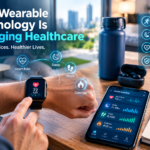
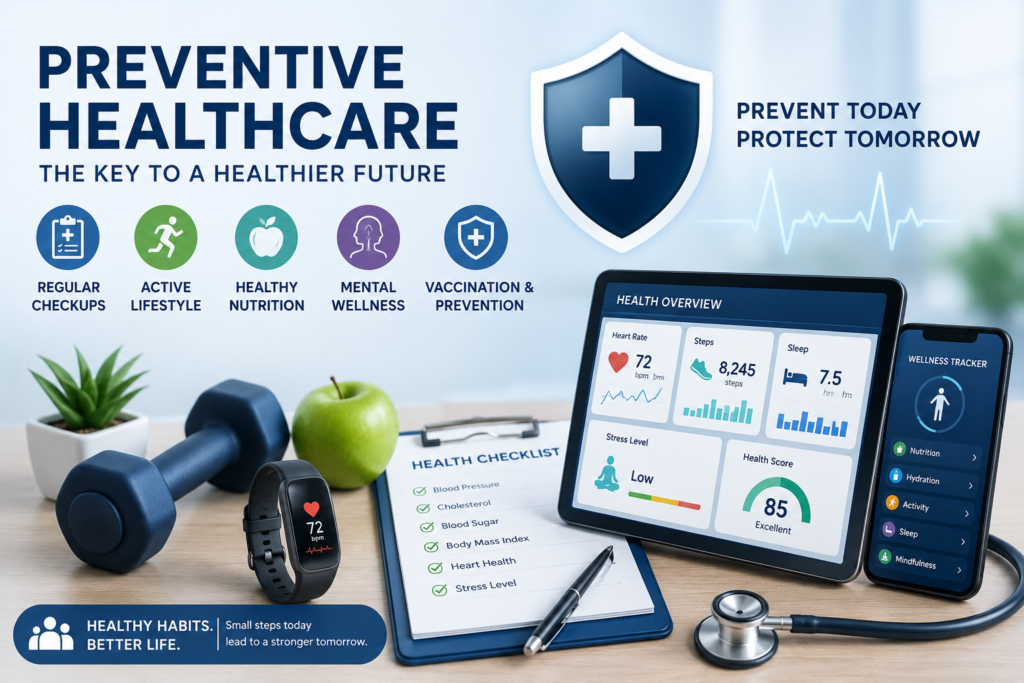
Technology is playing a crucial role in making preventive healthcare more accessible and effective. Innovations in digital health are helping individuals monitor their health in real time and make informed decisions about their lifestyles.
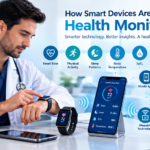
Wearable devices such as fitness trackers and smartwatches can monitor:
- Heart rate
- Physical activity
- Sleep patterns
- Blood oxygen levels
- Stress indicators
These tools provide valuable insights that help users identify unhealthy habits and make positive changes.
Artificial intelligence is also contributing to preventive healthcare. AI-powered systems can analyze large amounts of health data to identify patterns, predict risks, and support early intervention strategies.
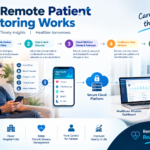
Telemedicine has expanded access to healthcare services by allowing patients to consult healthcare professionals remotely. This convenience encourages more people to seek medical advice before minor concerns become serious problems.
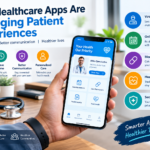
Digital health applications are helping individuals track nutrition, exercise, hydration, medication schedules, and mental health. These tools promote consistent engagement with personal wellness goals.
Healthcare providers are increasingly using data analytics to identify high-risk patients and implement preventive care programs. This proactive approach improves patient outcomes while reducing healthcare costs.
As technology continues to evolve, preventive healthcare solutions are expected to become even more personalized and effective.
Building a Healthier Future Through Preventive Care
The success of preventive healthcare depends on collaboration between healthcare providers, policymakers, employers, and individuals.
Employers are increasingly investing in workplace wellness programs that encourage healthy habits among employees. These initiatives often include fitness incentives, mental health support, health screenings, and nutrition education.
Schools and community organizations are also promoting preventive health education to help people develop healthy habits from an early age.
Mental health is becoming an important component of preventive healthcare as well. Stress, anxiety, and burnout can contribute to numerous physical health problems. Preventive mental health strategies such as counseling, mindfulness practices, and stress management programs are gaining widespread attention.
Individuals play the most important role in preventive healthcare. Simple lifestyle choices can significantly reduce health risks and improve overall well-being.
Examples include:
- Maintaining a balanced diet
- Exercising regularly
- Getting sufficient sleep
- Avoiding tobacco products
- Limiting alcohol consumption
- Managing stress effectively
- Attending regular health checkups
Small daily habits often have a greater long-term impact than major medical interventions.
Healthcare experts believe that preventive care will become increasingly integrated into everyday life over the coming years. Rather than waiting for illness to occur, future healthcare systems will focus on maintaining wellness and reducing risks before problems arise.
Conclusion
Preventive healthcare is rapidly becoming one of the most significant trends in modern medicine. As healthcare costs continue to rise and chronic diseases become more common, prevention offers a practical and effective solution.
Advancements in technology, growing public awareness, and increased access to health information are making preventive care more achievable than ever before. From wearable devices and AI-driven health insights to regular screenings and healthy lifestyle choices, individuals now have more tools available to protect their long-term health.
The future of healthcare is shifting from treatment to prevention. Those who embrace preventive healthcare today may enjoy healthier lives, lower medical costs, and improved overall well-being for years to come.