
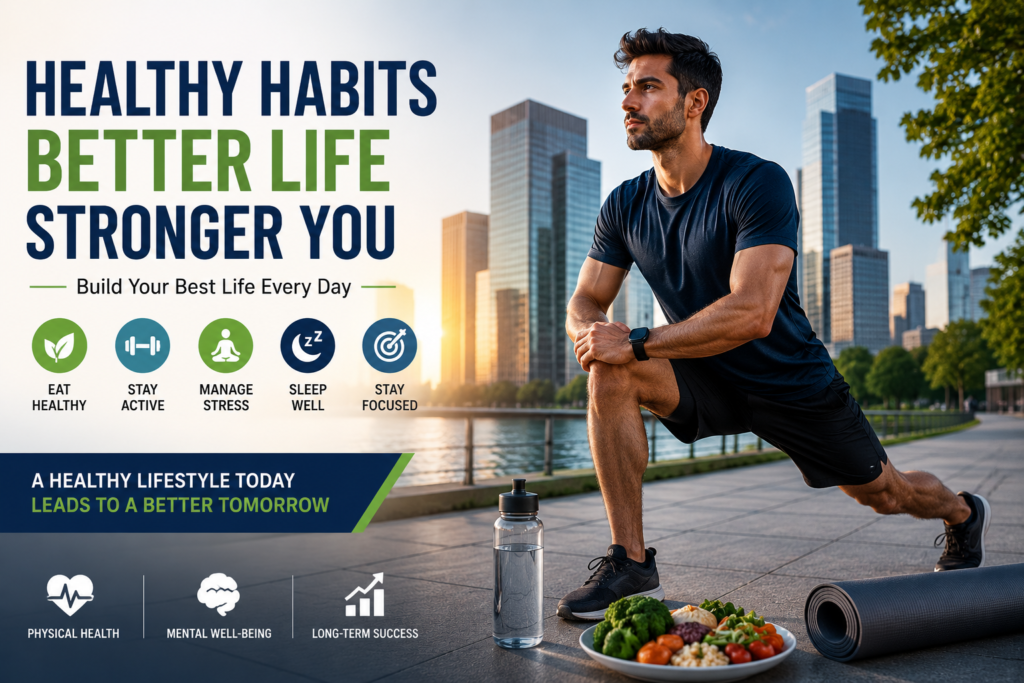
Modern life has become faster, more connected, and increasingly demanding. While technology has made work and communication easier, it has also created new challenges for maintaining a healthy lifestyle. Long working hours, excessive screen time, unhealthy eating habits, poor sleep, and constant stress are affecting millions of people worldwide. In 2026, living a healthy lifestyle is no longer just about looking fit—it has become one of the most important investments people can make in their physical health, mental well-being, career success, and overall quality of life.
Healthcare professionals agree that many chronic diseases, including heart disease, obesity, diabetes, and high blood pressure, are directly linked to daily lifestyle choices. Fortunately, small and consistent improvements in everyday habits can significantly reduce health risks while improving energy, productivity, and happiness.
A healthy lifestyle is built on balance rather than perfection. It includes eating nutritious foods, staying physically active, managing stress, sleeping well, maintaining positive relationships, and limiting unhealthy habits. Individuals who prioritize these areas often experience better concentration, stronger immunity, improved emotional resilience, and greater confidence.
Businesses are also recognizing the importance of employee wellness. Companies are investing in workplace wellness programs because healthier employees are generally more productive, engaged, and satisfied. Governments and healthcare organizations are promoting preventive healthcare campaigns that encourage healthier living instead of simply treating diseases after they occur.
As awareness continues to grow, healthy living has become a global movement that benefits individuals, families, workplaces, and entire communities.
Building a Strong Foundation Through Healthy Daily Habits
Healthy living begins with the small decisions people make every day. Consistency matters more than dramatic lifestyle changes. Even simple improvements can have lasting benefits when practiced regularly.
Nutrition remains one of the most important aspects of overall wellness. A balanced diet provides the body with essential vitamins, minerals, healthy fats, protein, and fiber needed to support energy production and immune function. Fresh vegetables, fruits, whole grains, lean proteins, nuts, and healthy fats help maintain optimal health while reducing the risk of chronic illness.
Hydration is equally important. Drinking enough water throughout the day supports digestion, circulation, brain function, and temperature regulation. Many people underestimate how even mild dehydration can reduce concentration and physical performance.
Regular physical activity strengthens the heart, muscles, bones, and immune system. Exercise also releases endorphins, natural chemicals that improve mood and reduce stress. Activities such as walking, cycling, swimming, strength training, and yoga provide both physical and mental health benefits.
Sleep has become one of the most overlooked components of modern health. Adults generally require seven to nine hours of quality sleep each night. Proper sleep allows the body to recover, supports memory, improves decision-making, and strengthens the immune system. Poor sleep habits contribute to fatigue, anxiety, weight gain, and reduced productivity.
Mental well-being deserves equal attention. Daily stress management techniques such as meditation, deep breathing exercises, reading, spending time outdoors, or simply taking regular breaks can significantly improve emotional health. Developing hobbies outside of work also creates a healthier balance between professional responsibilities and personal fulfillment.
Healthy relationships contribute greatly to emotional resilience. Spending time with supportive family members and friends reduces feelings of isolation while improving overall happiness. Strong social connections have consistently been linked to better long-term health outcomes.
Limiting unhealthy habits such as smoking, excessive alcohol consumption, processed foods, and prolonged screen time further supports a healthier lifestyle. Making gradual improvements often produces more sustainable results than attempting drastic changes all at once.
Technology Is Transforming Healthy Living
Technology has become an essential part of modern wellness. Digital health tools now help millions of people monitor their fitness, improve nutrition, manage stress, and track medical conditions more effectively than ever before.
Smartwatches and wearable fitness devices monitor daily activity levels, heart rate, sleep quality, calorie expenditure, and stress indicators. These insights encourage users to make healthier decisions based on real-time data rather than guesswork.
Mobile health applications assist users with meal planning, hydration reminders, guided workouts, meditation sessions, and personalized wellness recommendations. Many apps use artificial intelligence to adapt plans based on individual goals and progress.
Telehealth services have expanded access to healthcare professionals, allowing patients to consult doctors, nutritionists, fitness coaches, and mental health specialists without visiting clinics. This convenience encourages earlier intervention and better long-term health management.
Artificial intelligence is also supporting preventive healthcare. AI-powered systems analyze health trends, identify potential risk factors, and recommend lifestyle adjustments before serious health problems develop. While these technologies do not replace medical professionals, they provide valuable support for maintaining overall wellness.
Remote work has changed lifestyle habits for millions of professionals. Although working from home offers greater flexibility, it also increases the importance of maintaining regular exercise, ergonomic workspaces, healthy eating routines, and clear work-life boundaries.
Technology also supports mental wellness through meditation platforms, breathing exercises, digital journals, and cognitive behavioral therapy applications. These tools help users manage stress, improve emotional resilience, and develop healthier coping strategies.
Despite these advantages, experts recommend balancing technology use with offline activities. Spending time outdoors, engaging in face-to-face conversations, exercising without digital distractions, and reducing screen time before bed all contribute to better physical and mental health.
Creating a Sustainable Lifestyle for the Future
A healthy lifestyle is not about temporary diets or short-term fitness challenges. It is about creating sustainable habits that support lifelong well-being. The goal is to develop routines that can be maintained consistently despite changing schedules and responsibilities.
Setting realistic goals is an effective starting point. Small improvements, such as walking for thirty minutes each day, preparing healthier meals, drinking more water, or sleeping earlier, gradually become lifelong habits. Consistency produces far greater results than perfection.
Work-life balance remains essential for overall wellness. Long working hours without adequate rest contribute to burnout, reduced productivity, and declining physical health. Scheduling regular breaks, taking vacations, and maintaining hobbies outside of work help preserve emotional well-being.
Businesses are increasingly supporting healthier lifestyles by offering flexible work arrangements, wellness benefits, mental health resources, fitness programs, and healthier workplace environments. These initiatives improve employee satisfaction while increasing organizational performance.
Communities also play an important role. Parks, recreational facilities, cycling paths, fitness centers, and public health education programs encourage healthier living across all age groups. Governments continue investing in preventive healthcare initiatives because healthier populations reduce long-term healthcare costs.
Individuals should also prioritize regular health checkups. Preventive screenings, vaccinations, and routine medical consultations allow healthcare professionals to identify health concerns before they become serious conditions.
The future of healthcare will continue emphasizing prevention rather than treatment. Healthy lifestyle choices remain one of the most powerful tools for reducing disease risk while improving quality of life.
Conclusion
Living a healthy lifestyle has become one of the smartest investments people can make in 2026. Good nutrition, regular exercise, quality sleep, effective stress management, and positive social relationships all contribute to stronger physical health, improved mental well-being, and greater long-term success.
Technology continues making healthy living more accessible through wearable devices, telehealth services, and personalized wellness applications. However, lasting health still depends on consistent daily habits and balanced living.
As healthcare increasingly focuses on prevention, individuals who prioritize healthy lifestyle choices today will enjoy greater resilience, productivity, and overall happiness in the years ahead.