

Why Preventive Healthcare Is More Important Than Ever
Healthcare has evolved significantly over the past decade. Instead of focusing only on treating diseases after they occur, modern medicine now emphasizes prevention, early diagnosis, and healthy living. In 2026, preventive healthcare has become one of the most effective ways to improve quality of life while reducing long-term medical costs.
Many of the world’s most common health conditions—including heart disease, diabetes, obesity, high blood pressure, and certain types of cancer—can often be prevented or managed through healthier lifestyle choices. Regular health screenings, balanced nutrition, physical activity, and routine medical checkups help identify potential health risks before they become serious medical problems.
Today’s fast-paced lifestyle has contributed to rising health concerns. Long working hours, poor eating habits, lack of exercise, chronic stress, and excessive screen time have affected millions of people worldwide. These lifestyle factors increase the risk of chronic diseases that not only reduce life expectancy but also impact mental health, productivity, and overall well-being.
Preventive healthcare benefits individuals of all ages. Children require proper nutrition and vaccinations to support healthy development, adults need regular screenings and healthy habits to reduce disease risk, while older adults benefit from routine monitoring that helps maintain independence and quality of life.
Governments and healthcare providers are increasingly investing in preventive care because it reduces hospital admissions, lowers healthcare expenses, and improves public health outcomes. By identifying health issues early, treatments become more effective and less expensive than managing advanced illnesses.
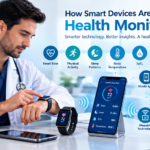
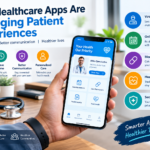
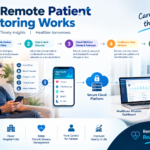
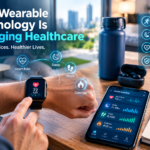
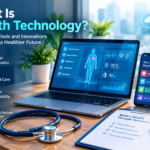
Another important development is the growing use of digital healthcare technologies. Wearable fitness devices, health monitoring applications, telemedicine, and artificial intelligence are helping people monitor their health more easily than ever before. These innovations encourage individuals to become active participants in managing their own health.
Ultimately, preventive healthcare is about making small daily decisions that lead to long-term health benefits rather than waiting for illness to occur.
Healthy Lifestyle Habits That Improve Overall Well-Being
Good health begins with everyday choices. Simple habits practiced consistently often have a greater impact than occasional dramatic lifestyle changes.
Nutrition remains one of the most important factors in maintaining good health. A balanced diet rich in fruits, vegetables, whole grains, lean proteins, healthy fats, and adequate hydration provides the body with essential nutrients. Reducing processed foods, excessive sugar, and unhealthy fats helps lower the risk of obesity, diabetes, and cardiovascular disease.
Regular physical activity is equally essential. Exercise improves heart health, strengthens muscles and bones, supports healthy weight management, and enhances mental well-being. Activities such as walking, cycling, swimming, yoga, or strength training can significantly improve overall fitness without requiring expensive equipment or gym memberships.
Quality sleep is often overlooked despite being critical for good health. Adults should aim for seven to nine hours of sleep each night. Proper sleep supports brain function, strengthens the immune system, improves memory, and reduces the risk of chronic illnesses. Establishing a consistent sleep routine and limiting screen exposure before bedtime can greatly improve sleep quality.
Mental health also deserves equal attention. Chronic stress, anxiety, and emotional exhaustion affect both psychological and physical health. Practicing mindfulness, meditation, deep breathing exercises, or simply taking regular breaks from work can help manage stress effectively. Spending time with family and friends, enjoying hobbies, and maintaining social connections also contribute to emotional resilience.
Routine medical checkups play an important role in preventive care. Regular blood pressure monitoring, cholesterol testing, diabetes screening, dental examinations, vision checks, and age-appropriate cancer screenings help detect potential health issues before symptoms appear.
Avoiding harmful habits such as smoking, excessive alcohol consumption, and drug abuse further reduces the risk of serious diseases. These lifestyle choices significantly improve life expectancy and overall health.
Hydration, proper posture, maintaining a healthy body weight, and limiting prolonged sitting are additional habits that support long-term wellness. Small daily improvements often produce significant health benefits over time.
The Future of Healthcare: Technology and Prevention Working Together
Healthcare technology is transforming preventive medicine at an unprecedented pace. In 2026, digital innovation is making healthcare more accessible, personalized, and proactive.
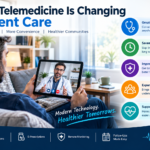
Telemedicine has become one of the most valuable healthcare advancements. Patients can now consult healthcare professionals through secure video appointments without traveling long distances. This convenience increases access to care, especially for people living in rural or underserved communities.
Wearable health devices have also become increasingly sophisticated. Smartwatches and fitness trackers now monitor heart rate, blood oxygen levels, sleep quality, daily activity, stress levels, and even detect irregular heart rhythms. These devices provide real-time health insights that encourage healthier behaviors.
Artificial intelligence is supporting healthcare providers by analyzing medical data, predicting disease risks, and assisting with early diagnosis. AI-powered tools help doctors make faster and more accurate decisions while enabling personalized treatment plans based on individual health profiles.
Electronic health records have improved coordination among healthcare providers. Patients receive better continuity of care because medical histories, laboratory results, prescriptions, and treatment plans can be shared securely between healthcare professionals.
Personalized medicine is another growing trend. Advances in genetics and biotechnology allow treatments to be tailored according to an individual’s unique genetic profile, improving treatment effectiveness while reducing unnecessary side effects.
Public health campaigns continue promoting vaccination, healthy eating, physical activity, mental wellness, and disease prevention. Education empowers people to make informed decisions about their health while reducing misinformation.
The future of healthcare will focus increasingly on prevention rather than treatment. Healthcare systems that combine advanced technology, regular screening, healthy lifestyles, and patient education will achieve better outcomes while reducing overall healthcare costs.
In conclusion, good health is one of life’s greatest assets. Preventive healthcare allows individuals to live longer, healthier, and more fulfilling lives by reducing the risk of chronic diseases before they develop. Through balanced nutrition, regular exercise, quality sleep, mental wellness, routine medical care, and technological innovation, everyone has the opportunity to take control of their health. Investing in prevention today creates a healthier tomorrow—for individuals, families, and communities around the world.