

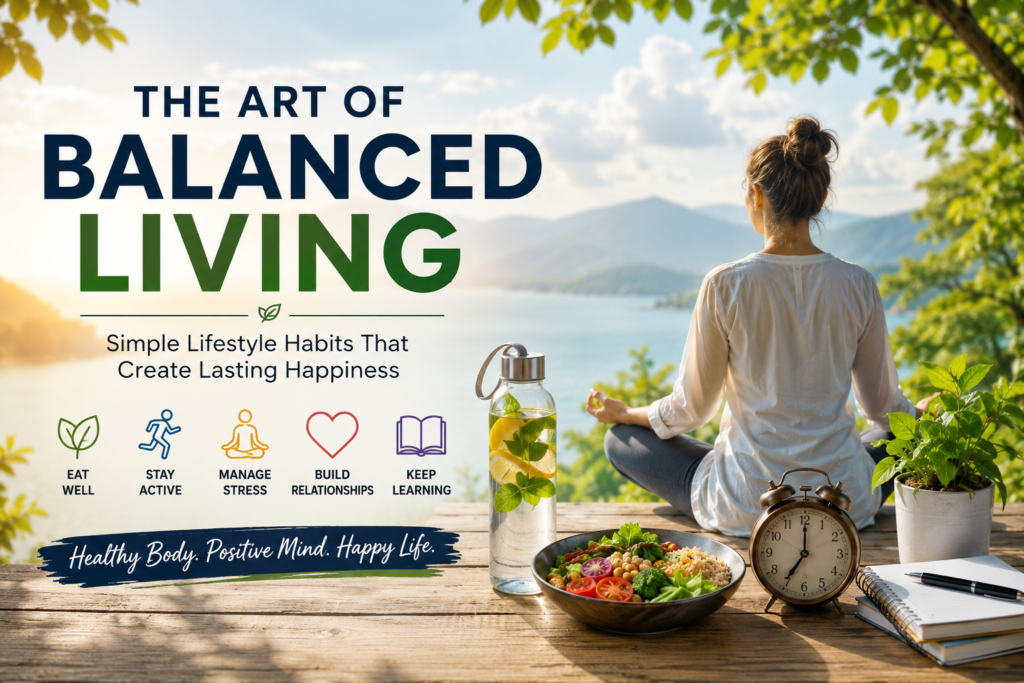
Lifestyle Habits That Create Lasting Happiness
Why a Balanced Lifestyle Matters More Than Ever
Modern life is faster than ever before. Between demanding careers, digital distractions, financial responsibilities, and personal commitments, many people find themselves constantly rushing from one task to another. While technology has made life more convenient, it has also introduced new challenges such as stress, burnout, poor sleep, and reduced face-to-face interaction.
A balanced lifestyle is not about living a perfect life or following strict routines. Instead, it is about creating healthy habits that support both physical and mental well-being while allowing time for personal growth, meaningful relationships, and relaxation.
People often believe that happiness comes from earning more money or achieving major milestones. Although success can improve quality of life, long-term happiness is usually built through small daily habits rather than one-time achievements. The choices we make every day—how we eat, sleep, exercise, communicate, and manage our time—have a greater impact on our overall well-being than we often realize.
Maintaining balance also improves productivity. When the body and mind are healthy, decision-making becomes easier, creativity improves, and individuals can handle challenges more effectively. Businesses increasingly recognize the importance of employee wellness because healthier people tend to perform better, communicate more effectively, and remain motivated over the long term.
Mental wellness has become equally important. Taking regular breaks from social media, spending time outdoors, practicing gratitude, and maintaining meaningful relationships help reduce anxiety and improve emotional resilience. Even small activities like reading a book, taking a short walk, or enjoying a hobby can significantly improve mood and reduce stress.
Another key aspect of balanced living is financial responsibility. Managing personal finances wisely, avoiding unnecessary debt, and planning for future goals can reduce one of the biggest sources of stress in modern society. Financial peace contributes directly to emotional stability and allows individuals to focus more on personal development instead of constant financial pressure.
Ultimately, living a balanced lifestyle means recognizing that health, relationships, career, and personal happiness are interconnected. Neglecting one area often affects the others, while improving one area creates positive changes throughout life.
Everyday Habits That Improve Your Quality of Life
Building a healthier lifestyle does not require dramatic changes. The most successful transformations usually begin with small, consistent improvements that become part of everyday routines.
One of the most important habits is maintaining a healthy sleep schedule. Adults generally require seven to eight hours of quality sleep each night. Good sleep improves memory, strengthens the immune system, increases concentration, and supports emotional well-being. Establishing a regular bedtime and reducing screen time before sleep can make a noticeable difference.
Nutrition also plays a vital role in daily wellness. Choosing balanced meals with fruits, vegetables, lean proteins, whole grains, and healthy fats provides the body with essential nutrients needed for energy and long-term health. Drinking enough water throughout the day also supports brain function, digestion, and overall performance.
Regular physical activity is another cornerstone of healthy living. Exercise does not necessarily mean spending hours in the gym. Walking, cycling, stretching, swimming, yoga, or even gardening can improve cardiovascular health, strengthen muscles, and boost mental health through the release of endorphins.
Time management is equally important. Many people feel overwhelmed because they try to accomplish too much at once. Prioritizing important tasks, setting realistic goals, and learning to say no when necessary help reduce stress while improving productivity.
Digital wellness has become increasingly relevant in today’s connected world. Constant notifications, endless scrolling, and excessive screen time can negatively affect attention spans and mental health. Scheduling device-free periods during the day allows people to reconnect with family, hobbies, and real-life experiences.
Meaningful relationships contribute significantly to overall happiness. Spending quality time with family, friends, and supportive communities creates emotional security and reduces feelings of isolation. Strong social connections are consistently linked with better physical and mental health outcomes.
Personal growth should also remain a lifelong priority. Reading books, learning new skills, attending workshops, or exploring creative hobbies stimulate the brain and build confidence. Continuous learning helps individuals adapt to changing environments while keeping life interesting and fulfilling.
Practicing gratitude can also transform daily life. Taking a few moments each day to appreciate positive experiences encourages optimism and shifts attention away from negativity. Gratitude journals, mindfulness exercises, or simple reflection before bedtime are effective ways to build this habit.
Building a Lifestyle That Supports Long-Term Success
A successful lifestyle is not measured solely by wealth, career achievements, or social status. True success includes physical health, emotional stability, fulfilling relationships, personal satisfaction, and a sense of purpose.
Creating sustainable routines begins by setting realistic expectations. Rather than attempting to change everything at once, focus on one or two habits until they become automatic. Small improvements practiced consistently often produce remarkable results over time.
Developing resilience is another important aspect of long-term well-being. Life inevitably presents unexpected challenges, setbacks, and disappointments. People who develop healthy coping strategies, maintain positive perspectives, and seek support when needed recover more quickly from difficult situations.
Work-life balance deserves careful attention. Career growth is valuable, but sacrificing personal health or relationships for professional success often leads to burnout. Scheduling time for family, hobbies, vacations, and relaxation ensures that personal well-being remains a priority alongside career ambitions.
Setting meaningful goals also provides direction and motivation. Whether focusing on health, education, financial independence, or personal development, clear goals help individuals remain focused while celebrating progress along the way. Reviewing goals regularly allows adjustments based on changing priorities and life circumstances.
Community involvement can also enrich daily life. Volunteering, mentoring others, participating in local organizations, or supporting charitable causes creates a sense of purpose while strengthening social connections. Giving back often provides emotional rewards that extend far beyond material success.
Finally, remember that perfection is neither realistic nor necessary. Everyone experiences difficult days, setbacks, and periods of uncertainty. The key is maintaining consistency rather than expecting perfection. Healthy living is a lifelong journey built on continuous learning, self-awareness, and gradual improvement.
A balanced lifestyle empowers people to live with greater confidence, energy, and fulfillment. By making thoughtful choices each day and investing in personal well-being, anyone can create a healthier future filled with meaningful experiences, stronger relationships, and lasting happiness. The journey begins with one small positive habit—and every step forward brings lasting benefits that extend to every aspect of life.