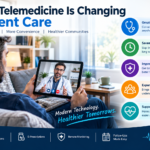

Healthcare has undergone significant transformation over the past decade, driven by technological innovation, changing patient expectations, and the growing demand for accessible medical services. Among the most impactful developments is telehealth, a digital healthcare model that allows patients and healthcare providers to connect remotely through technology.
Telehealth is rapidly becoming an essential component of modern healthcare systems worldwide. By eliminating geographical barriers and improving access to medical professionals, telehealth is helping millions of people receive timely, affordable, and convenient care.
As healthcare organizations continue to embrace digital transformation, telehealth is expected to play an increasingly important role in shaping the future of patient care.
What Is Telehealth?
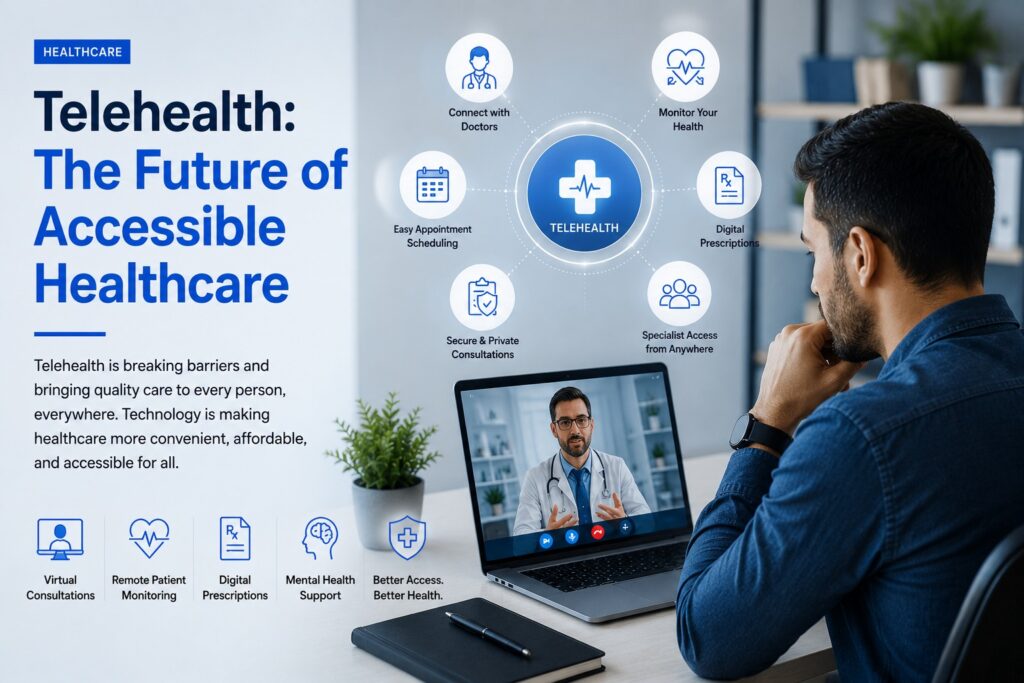
Telehealth refers to the use of digital communication technologies to provide healthcare services remotely.
These services may include:
- Virtual doctor consultations
- Remote patient monitoring
- Online prescriptions
- Mental health counseling
- Specialist consultations
- Follow-up appointments
- Chronic disease management
Patients can access healthcare services using smartphones, tablets, laptops, or desktop computers without needing to visit a clinic or hospital physically.
This flexibility has made telehealth one of the fastest-growing sectors within the healthcare industry.
The Rise of Telehealth
Several factors have contributed to the rapid adoption of telehealth.
Increased Internet Accessibility
Improved internet connectivity has enabled healthcare providers to reach patients in both urban and rural areas.
Growing Demand for Convenience
Modern consumers increasingly prefer services that save time and reduce travel requirements.
Healthcare Workforce Challenges
Many regions face shortages of healthcare professionals. Telehealth allows providers to serve more patients efficiently.
Technological Advancements
Advances in video conferencing, cloud computing, artificial intelligence, and wearable devices have made telehealth more reliable and effective.
These trends have accelerated the shift toward digital healthcare delivery models.
Improving Access to Healthcare
One of telehealth’s most significant benefits is improved accessibility.
Millions of people face challenges accessing traditional healthcare services due to:
- Geographic isolation
- Transportation limitations
- Mobility issues
- Time constraints
- Specialist shortages
Telehealth helps overcome these barriers by bringing healthcare directly to patients.
Individuals living in remote communities can connect with specialists located hundreds of miles away without leaving their homes.
This increased accessibility contributes to better health outcomes and greater healthcare equity.
Convenience for Patients
Traditional healthcare appointments often require:
- Travel time
- Waiting room delays
- Time away from work
- Childcare arrangements
Telehealth significantly reduces these challenges.
Patients can schedule appointments from home, attend consultations remotely, and receive medical advice more efficiently.
For busy professionals, parents, and elderly individuals, telehealth offers a more convenient healthcare experience.
This convenience often leads to improved appointment attendance and better treatment adherence.
Remote Patient Monitoring
Telehealth extends beyond video consultations.
Remote patient monitoring allows healthcare providers to track patient health using connected devices.
Examples include:
- Blood pressure monitors
- Glucose monitors
- Heart rate trackers
- Wearable fitness devices
- Oxygen saturation monitors
These tools provide real-time health data that helps providers identify potential issues before they become serious.
Patients with chronic conditions can receive continuous monitoring without frequent hospital visits.
This proactive approach improves care while reducing healthcare costs.
Supporting Chronic Disease Management
Chronic illnesses represent a significant challenge for healthcare systems worldwide.
Conditions such as:
- Diabetes
- Hypertension
- Heart disease
- Asthma
- Obesity
require ongoing management and regular communication with healthcare providers.
Telehealth enables frequent check-ins, medication reviews, and health monitoring that help patients stay on track with treatment plans.
Improved engagement often leads to better long-term health outcomes.
Expanding Mental Health Services
Mental health care has become one of the most successful applications of telehealth.
Virtual therapy and counseling services provide:
- Greater privacy
- Increased accessibility
- Reduced stigma
- Flexible scheduling
Patients can connect with licensed therapists from the comfort of their homes.
This is particularly beneficial for individuals living in areas with limited mental health resources.
Telehealth has helped expand access to mental health support for millions of people worldwide.
Benefits for Healthcare Providers
Healthcare organizations also benefit significantly from telehealth adoption.
Improved Efficiency
Providers can manage appointments more effectively and reduce administrative burdens.
Expanded Patient Reach
Medical professionals can serve patients beyond their immediate geographic area.
Reduced Overhead Costs
Telehealth may decrease the need for physical office space and associated operational expenses.
Better Resource Utilization
Healthcare systems can allocate resources more efficiently while improving patient access.
These advantages support both patient satisfaction and organizational sustainability.
Telehealth and Healthcare Costs
Rising healthcare costs remain a major concern globally.
Telehealth can contribute to cost reduction through:
- Fewer emergency room visits
- Reduced hospital readmissions
- Improved preventive care
- Lower transportation expenses
- Enhanced chronic disease management
Early intervention and continuous monitoring help prevent complications that often require costly treatments.
As healthcare systems seek greater efficiency, telehealth offers a practical solution for controlling costs while maintaining quality care.
The Role of Artificial Intelligence
Artificial intelligence is increasingly enhancing telehealth services.
AI-powered solutions can assist with:
- Symptom assessment
- Appointment scheduling
- Patient triage
- Health monitoring
- Predictive analytics
These technologies help healthcare providers deliver more personalized and efficient care.
AI also enables healthcare organizations to identify risks earlier and optimize treatment strategies.
As AI capabilities continue to advance, their integration with telehealth will become even more valuable.
Challenges Facing Telehealth
Despite its advantages, telehealth faces several challenges.
Digital Access Inequality
Not all patients have reliable internet access or suitable devices.
Data Privacy and Security
Protecting patient information remains a top priority.
Healthcare providers must implement strong cybersecurity measures and comply with regulatory requirements.
Technology Adoption
Some patients and providers may require training to use telehealth platforms effectively.
Regulatory Considerations
Healthcare regulations vary across jurisdictions and can impact telehealth implementation.
Addressing these challenges is essential for maximizing telehealth’s long-term success.
The Future of Telehealth
Telehealth is expected to continue expanding as healthcare systems evolve.
Future developments may include:
- Advanced remote diagnostics
- AI-assisted healthcare delivery
- Expanded wearable technology integration
- Virtual reality rehabilitation programs
- Enhanced remote monitoring capabilities
As technology improves, telehealth will become more sophisticated and accessible.
Many experts predict that hybrid healthcare models—combining in-person and virtual care—will become the standard approach for healthcare delivery.
Conclusion
Telehealth is transforming healthcare by making medical services more accessible, convenient, and efficient. From virtual consultations and remote monitoring to mental health support and chronic disease management, telehealth is improving the patient experience while helping healthcare providers deliver better care.
Although challenges remain, continued technological advancements and growing adoption suggest that telehealth will play a central role in the future of healthcare.
As healthcare systems increasingly embrace digital innovation, telehealth stands as one of the most promising solutions for improving access, reducing costs, and enhancing health outcomes worldwide.