

Modern life is becoming increasingly busy. Work responsibilities, digital devices, financial pressure, social commitments, and constant access to information can make it difficult for people to maintain a balanced lifestyle. Many individuals want to improve their health and well-being but believe they need major changes to achieve meaningful results.
In reality, a better lifestyle is usually built through small, consistent habits.
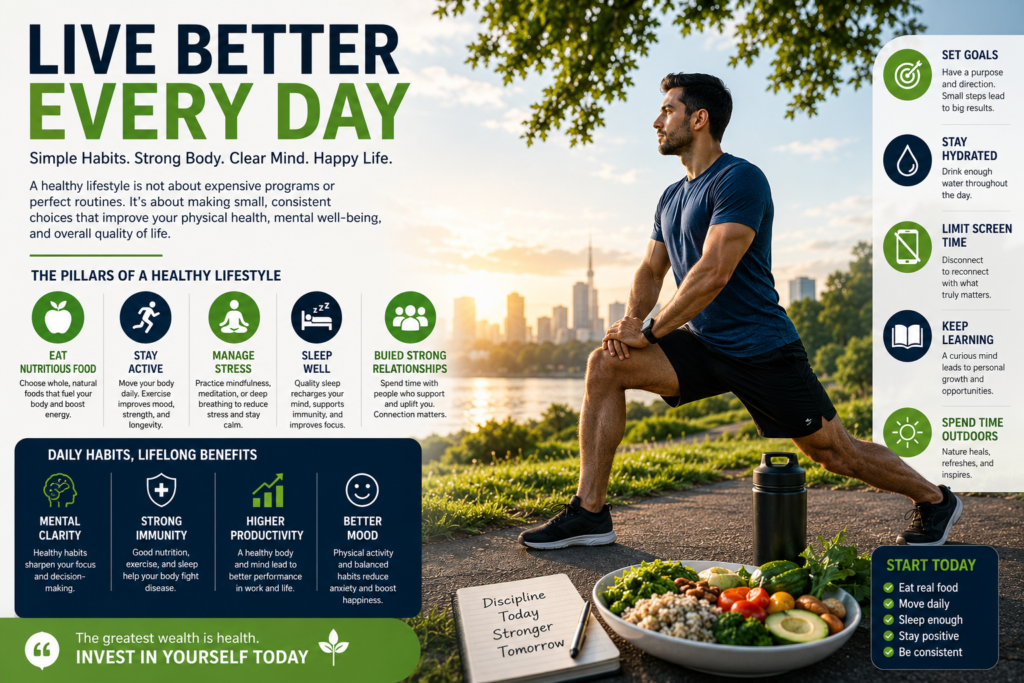
A healthy lifestyle is not about following a perfect routine or completely changing your life overnight. It is about making better choices on a regular basis. Eating nutritious food, staying physically active, getting enough sleep, managing stress, building strong relationships, and making time for personal growth can all contribute to a better quality of life.
In 2026, lifestyle trends are increasingly focused on balance, wellness, mental clarity, and intentional living. People are becoming more aware that success is not only measured by professional achievements or financial wealth. Physical health, emotional well-being, meaningful relationships, and personal happiness are equally important.
The good news is that anyone can begin improving their lifestyle by taking small steps. Even simple daily habits can create significant long-term benefits when practiced consistently.
The Importance of Healthy Daily Habits
A healthy lifestyle begins with everyday decisions. What people eat, how much they move, how they sleep, and how they manage stress all influence their physical and mental well-being.
Nutrition plays a major role in maintaining energy and overall health. A balanced diet that includes vegetables, fruits, whole grains, lean proteins, and healthy fats provides the body with the nutrients it needs to function properly. Reducing excessive processed foods, sugary drinks, and unhealthy snacks can also support better long-term health.
Staying physically active is equally important. Exercise does not always require an expensive gym membership or complicated workout routine. Walking, cycling, swimming, stretching, and outdoor activities can all help improve fitness. Regular physical activity strengthens the body, supports heart health, improves mood, and can increase daily energy levels.
Sleep is another essential part of a healthy lifestyle. Many people sacrifice sleep because of work, entertainment, or excessive smartphone use. However, poor sleep can affect concentration, memory, mood, and physical health. Creating a consistent sleep schedule and reducing screen use before bedtime can help improve sleep quality.
Mental well-being should also receive the same attention as physical health. Meditation, reading, spending time outdoors, journaling, and practicing mindfulness can help reduce stress. Taking short breaks during a busy day can also improve focus and prevent mental exhaustion.
Hydration is another simple but important habit. Drinking enough water supports digestion, energy, concentration, and overall body function. Replacing sugary drinks with water can be an easy step toward a healthier lifestyle.
The key is consistency. A small healthy decision made every day can produce better results than a dramatic lifestyle change that only lasts for a few weeks.
Creating Balance in a Digital World
Technology has transformed modern lifestyles. Smartphones, social media, online entertainment, and digital work tools have made life more convenient, but excessive screen time can also create new challenges.
Many people spend several hours each day looking at screens. While technology is useful, too much screen time can contribute to poor sleep, reduced physical activity, eye strain, and mental fatigue.
Creating healthy digital habits can improve overall lifestyle balance. Turning off unnecessary notifications, limiting social media use, and creating screen-free periods during the day can help people become more focused and present.
Spending time outdoors is another effective way to improve well-being. Walking in nature, exercising in a park, or simply spending time away from digital devices can reduce stress and improve mental clarity.
Personal relationships are also important. In a world where many conversations happen through messages and social media, face-to-face interaction remains essential. Spending quality time with family and friends creates emotional support and strengthens connections.
Work-life balance is equally important. Constantly working without proper rest can lead to stress and burnout. Setting boundaries between professional responsibilities and personal time allows individuals to recover and maintain better productivity.
Creating balance does not mean completely rejecting technology or work. Instead, it means using time more intentionally. People who manage their time effectively can make space for work, health, relationships, hobbies, and personal growth.
A balanced lifestyle allows individuals to enjoy the advantages of modern technology without allowing it to control every part of their lives.
Building a Better Lifestyle for Long-Term Well-Being
The most successful lifestyle improvements are sustainable. People should avoid focusing only on short-term results and instead develop habits that can continue for years.
Setting realistic goals is an important first step. Instead of trying to change everything at once, individuals can focus on one or two improvements at a time. For example, someone might begin by walking for thirty minutes each day or improving their sleep schedule.
Personal growth is also an important part of a fulfilling lifestyle. Learning new skills, reading books, developing hobbies, and exploring new interests can improve confidence and mental stimulation.
Financial responsibility can also contribute to overall well-being. Financial stress affects many aspects of life, so creating a budget, saving regularly, and managing expenses responsibly can support greater peace of mind.
Strong relationships should also remain a priority. Positive relationships provide emotional support, encouragement, and a sense of belonging. Spending time with people who encourage personal growth can have a powerful influence on lifestyle and happiness.
Regular health checkups and preventive care are also important. Taking care of health before serious problems develop can help individuals maintain a better quality of life.
The goal of a healthy lifestyle is not perfection. Everyone experiences stressful days, unhealthy meals, missed workouts, or periods of low motivation. What matters most is returning to positive habits and continuing to move forward.
Small improvements made consistently can eventually create significant changes in physical health, mental well-being, productivity, and happiness.
Conclusion
A better lifestyle does not require a complete transformation overnight. It begins with small, practical decisions made consistently every day.
Eating nutritious food, staying active, sleeping well, managing stress, limiting unnecessary screen time, maintaining strong relationships, and making time for personal growth can all contribute to a healthier and more fulfilling life.
In today’s fast-paced world, balance has become one of the most valuable lifestyle goals. People who invest in their health, relationships, and personal well-being are better prepared to manage challenges and enjoy long-term success.
The most important step is simply to begin. A healthier lifestyle is created one decision, one habit, and one day at a time.