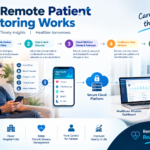

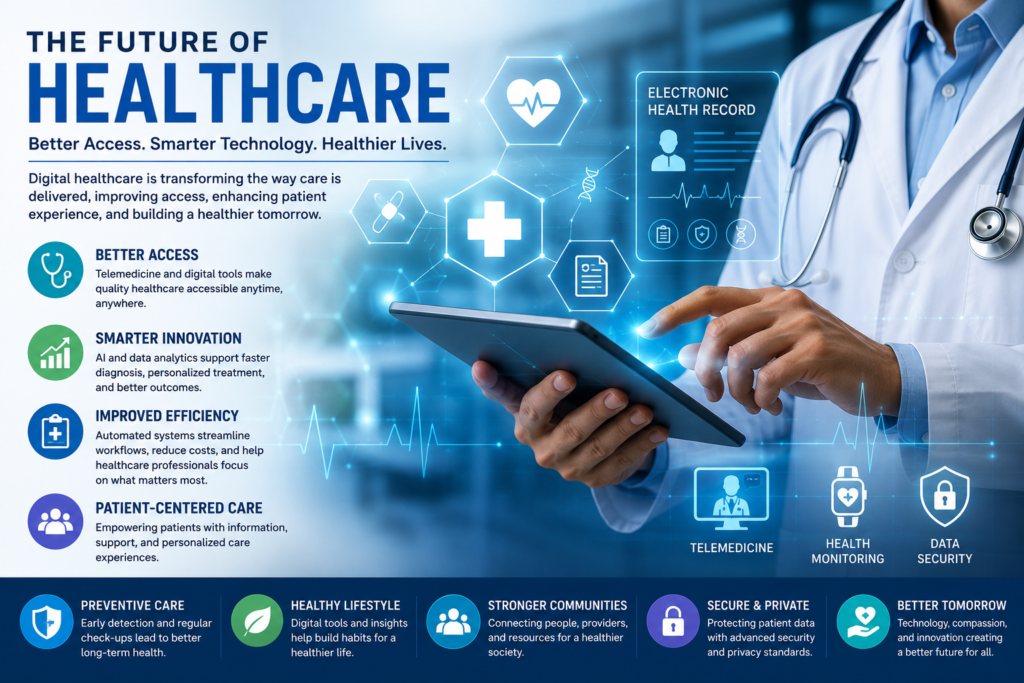
Healthcare is undergoing a major transformation as technology, medical research, and changing patient expectations reshape the way care is delivered. Digital healthcare tools are helping medical organizations improve communication, manage information, support healthcare professionals, and provide patients with more convenient access to services.
From telemedicine and electronic health records to artificial intelligence and wearable devices, innovation is creating new opportunities across the healthcare industry. These developments can help improve efficiency and support better decision-making, but they also require strong attention to privacy, security, and patient safety.
The future of healthcare will depend on finding the right balance between technology and human expertise.
Digital Healthcare Is Expanding Access to Medical Services
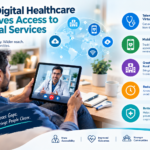
One of the biggest benefits of digital healthcare is improved access to medical services. Online healthcare platforms allow patients to communicate with healthcare professionals, schedule appointments, access information, and manage certain aspects of their care digitally.
Telemedicine has also created new opportunities for patients who may face challenges traveling to a clinic or hospital. Virtual consultations can be useful for certain types of appointments, follow-ups, and general medical discussions.
Digital tools can also help healthcare organizations manage appointments and communication more efficiently. Automated reminders may help patients stay informed about appointments and other healthcare activities.
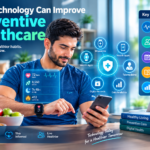
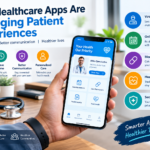
Mobile health applications are becoming increasingly popular as well. These tools can help users track appointments, medication schedules, physical activity, and other personal health information.
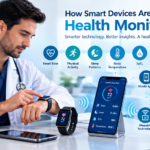
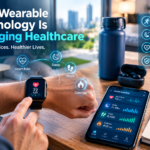
Wearable devices can also provide users with information about certain health and fitness measurements. This may encourage people to become more aware of their daily habits and overall well-being.
However, digital healthcare should not replace every form of in-person medical care. Some conditions require physical examinations, diagnostic testing, or direct treatment from healthcare professionals.
The most effective healthcare systems will likely combine digital services with traditional medical care to provide patients with greater flexibility.
Artificial Intelligence and Data Are Supporting Healthcare Innovation
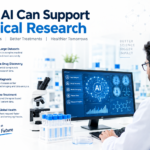
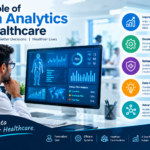
Artificial intelligence is becoming increasingly important in healthcare. AI systems can process large amounts of information and help identify patterns that may support research, medical analysis, and administrative processes.
Healthcare organizations may use AI-powered tools to assist with tasks such as analyzing information, organizing records, supporting medical research, and improving operational efficiency.
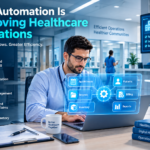
Automation can also reduce the amount of time healthcare professionals spend on repetitive administrative tasks. This may allow them to focus more attention on patients and complex responsibilities.
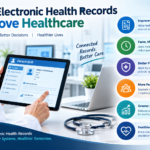
Data is another important part of modern healthcare. Information collected through medical records, research, digital platforms, and other sources can help healthcare organizations better understand trends and improve services.
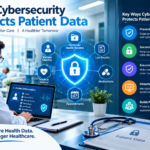
However, the use of healthcare data requires strong privacy and security protections. Medical information is highly sensitive, and patients need confidence that their information is being handled responsibly.
Healthcare organizations must protect data from unauthorized access and ensure that digital systems are properly managed.
Artificial intelligence should also support healthcare professionals rather than completely replace human judgment. Medical decisions can involve complex situations that require experience, professional knowledge, and an understanding of individual patient circumstances.
Technology can provide valuable support, but human expertise remains essential.
Patient-Centered Care Is Shaping the Future of Healthcare
Modern healthcare is increasingly focused on the patient experience. Patients want convenient services, clear communication, shorter waiting times, and greater involvement in decisions about their care.
Patient-centered healthcare recognizes that every person has different needs and circumstances.
Clear communication is an important part of quality healthcare. Patients should be able to understand relevant information and communicate their concerns with healthcare professionals.
Digital platforms can support this process by providing access to educational information, appointment systems, communication tools, and healthcare records where appropriate.
Preventive healthcare is also becoming increasingly important. Instead of focusing only on treating illness after it develops, healthcare systems can encourage early detection and healthier habits.
Regular checkups, health education, and awareness can help people make more informed decisions about their well-being.
Technology may also help healthcare become more personalized. Digital information can support healthcare professionals in understanding individual needs and developing more informed care strategies.
However, technology should never replace compassion and human connection. Patients need more than digital systems. They also need understanding, trust, and professional support.
The best healthcare innovations are those that improve the patient experience while maintaining safety and quality.
Conclusion
Healthcare is changing as digital platforms, artificial intelligence, telemedicine, wearable devices, and data-driven tools create new opportunities for innovation.
These technologies can improve access to services, support healthcare professionals, increase efficiency, and help patients become more involved in managing their health.
However, innovation must be developed responsibly. Privacy, security, accessibility, patient safety, and professional medical judgment must remain important priorities.
The future of healthcare will likely combine advanced technology with human expertise. Digital tools can make healthcare more convenient and efficient, but compassion and professional care will remain at the heart of the healthcare experience.
As the industry continues to evolve, organizations that use technology responsibly and maintain a strong focus on patient needs will be better positioned to provide effective and accessible healthcare services.