

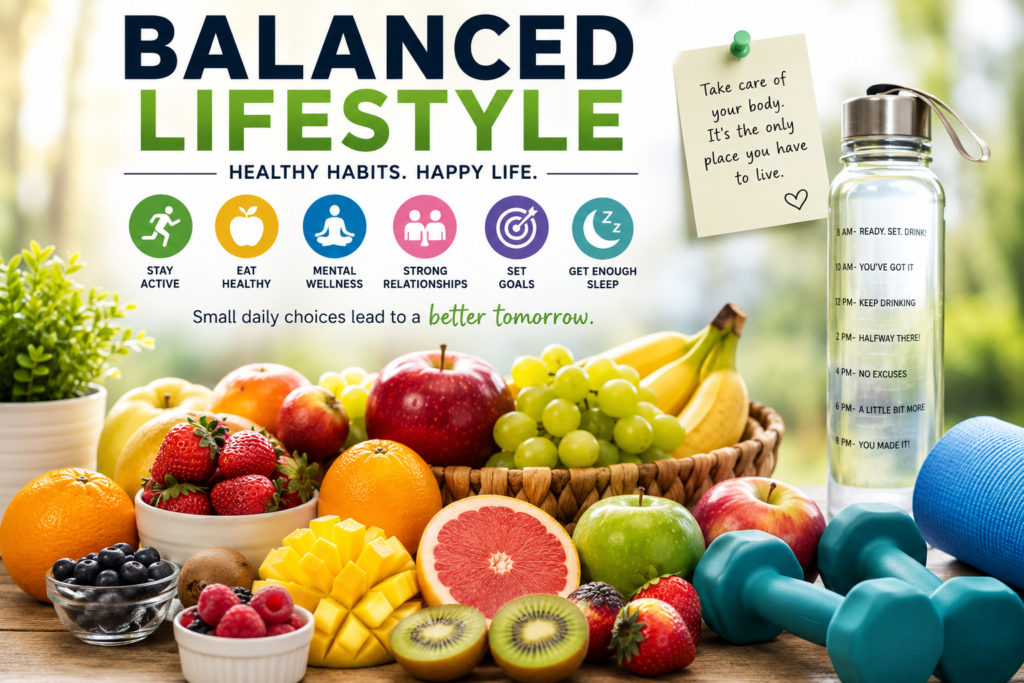
A balanced lifestyle plays an important role in overall well-being. The way people spend their time, manage responsibilities, care for their health, and connect with others can have a significant impact on their daily lives.
Modern life is often busy and demanding. Work responsibilities, technology, financial pressures, and social commitments can make it difficult to maintain a healthy routine. Many people struggle to find enough time for rest, exercise, personal interests, and meaningful relationships.
A balanced lifestyle does not mean living a perfect life or following a strict routine every day. Instead, it means creating habits that support physical health, mental well-being, personal growth, and a more fulfilling daily experience.
Small, consistent improvements can often make a greater difference than major changes that are difficult to maintain.
Healthy Daily Habits Create a Stronger Lifestyle
Daily habits are the foundation of a healthy lifestyle. Simple decisions related to sleep, nutrition, physical activity, and time management can influence how people feel and perform throughout the day.
Quality sleep is especially important. The body and mind need enough rest to recover from daily activities. Poor sleep can affect energy, concentration, mood, and productivity.
Creating a consistent sleep routine can help support better rest. Reducing unnecessary screen time before sleeping and maintaining a comfortable environment may also contribute to healthier sleep habits.
Nutrition is another important part of everyday life. A balanced diet provides the energy and nutrients needed for daily activities. Eating a variety of nutritious foods and drinking enough water can support overall well-being.
Physical activity does not have to involve an expensive gym membership. Walking, cycling, stretching, sports, and home-based exercise can all become part of an active lifestyle.
The most important factor is consistency. Regular movement can help people feel more energetic and support a healthier routine.
Time management also contributes to lifestyle balance. Planning important tasks and setting priorities can help reduce unnecessary stress.
A good routine should include both productivity and rest. Constantly working without taking breaks can lead to exhaustion and reduce overall performance.
Mental Well-Being and Digital Balance Matter in Modern Life
Mental well-being is an essential part of a balanced lifestyle. People often focus on physical health while overlooking stress, emotional pressure, and the importance of mental rest.
Technology has made communication and information more accessible, but excessive screen time can also affect daily routines. Constant notifications, social media, and online content can make it difficult to disconnect.
Creating periods of digital balance can help people regain focus and spend more time on activities away from screens.
Reading, walking, enjoying hobbies, spending time with family, and engaging in creative activities can provide valuable mental breaks.
Managing stress is also important. Different people respond to stress in different ways. Some may benefit from exercise, while others may prefer quiet time, creative activities, social interaction, or personal reflection.
Identifying unnecessary sources of stress can be an important step toward improving daily life.
Personal growth can also support mental well-being. Learning new skills, developing hobbies, reading, and working toward personal goals can create a sense of progress and achievement.
A fulfilling lifestyle should include activities that bring enjoyment and meaning, not only responsibilities.
Meaningful Relationships and Personal Goals Improve Quality of Life
A balanced lifestyle also includes relationships and personal goals. Spending time with family and friends can provide emotional support and create a stronger sense of connection.
In a busy world, meaningful relationships require time and attention. Simple activities such as having conversations, sharing meals, or spending quality time together can strengthen relationships.
Communication is an important part of healthy connections. Listening carefully, showing appreciation, and making time for important people can help build stronger relationships.
Personal goals also give people direction. These goals may involve career development, education, financial planning, fitness, travel, creativity, or personal improvement.
Goals do not need to be extremely ambitious. Small, realistic goals can also create meaningful progress.
For example, learning a new skill, improving a daily routine, reading regularly, or developing a healthier habit can contribute to long-term personal growth.
Flexibility is also important. Life can change unexpectedly, and routines may sometimes need to be adjusted.
A healthy lifestyle should not be so strict that one disruption causes everything to stop. The goal is to develop habits that can adapt to changing circumstances.
Balance is not about perfection. It is about creating a lifestyle that supports health, happiness, productivity, relationships, and personal satisfaction.
Conclusion
A balanced lifestyle is built through small and consistent choices. Healthy habits, quality rest, physical activity, mental well-being, digital balance, meaningful relationships, and personal goals all contribute to a better quality of life.
People do not need to completely change their lives overnight. Gradual improvements can create lasting results when they become part of everyday routines.
The most effective lifestyle changes are realistic and sustainable. A balanced routine should support personal goals without creating unnecessary pressure.
By focusing on balance rather than perfection, individuals can create healthier habits and enjoy a more fulfilling daily life.
A better lifestyle begins with simple decisions made consistently. Over time, these decisions can build a stronger foundation for health, happiness, productivity, and personal growth.