

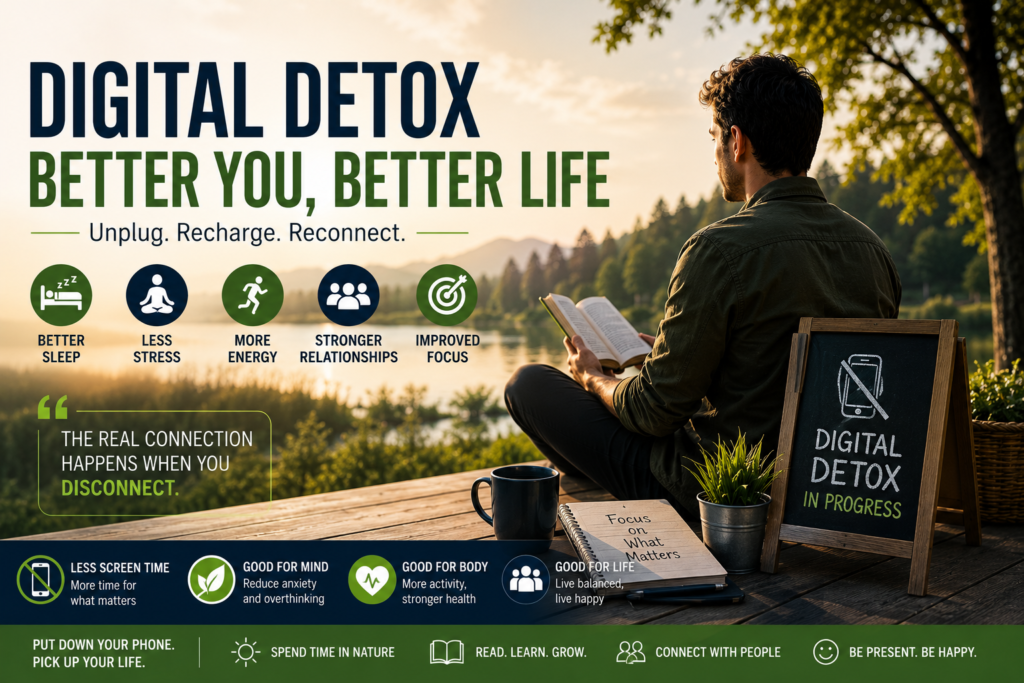
In today’s hyperconnected world, smartphones, laptops, social media, and digital entertainment have become part of everyday life. Technology has transformed the way people work, communicate, shop, and learn, but it has also introduced new lifestyle challenges. Constant notifications, endless scrolling, excessive screen time, and the pressure to always stay connected have increased stress levels, reduced attention spans, and negatively affected physical and mental health.
In 2026, one of the fastest-growing lifestyle trends is the digital detox—the intentional practice of reducing screen time and creating healthier relationships with technology. More people are realizing that while digital tools improve productivity, spending too much time online can harm sleep, increase anxiety, reduce physical activity, and weaken personal relationships.
A digital detox does not require completely abandoning technology. Instead, it encourages people to use digital devices more intentionally while making room for activities that improve well-being, such as exercise, reading, spending time outdoors, and connecting with family and friends.
Healthcare professionals increasingly recommend limiting unnecessary screen time as part of a healthy lifestyle. Research continues to show that reducing digital distractions improves sleep quality, boosts concentration, lowers stress, and increases overall happiness.
As modern lifestyles become increasingly digital, finding a healthy balance between online and offline life has become essential for long-term wellness.
The Hidden Impact of Excessive Screen Time
Most people underestimate how much time they spend looking at screens each day. Between work, entertainment, messaging, online shopping, and social media, many adults spend more than eight hours daily using digital devices.
One of the biggest concerns is sleep quality. Blue light emitted by smartphones, tablets, and computers suppresses melatonin production, making it harder to fall asleep. Poor sleep affects memory, energy levels, mood, and immune function while increasing the risk of chronic health problems.
Mental health is also closely connected to screen habits. Constant exposure to social media can create unrealistic comparisons, increase anxiety, and contribute to feelings of loneliness. Endless notifications and multitasking reduce attention spans, making it difficult to focus on important tasks for extended periods.
Physical health suffers as well. Sitting for long hours while using digital devices contributes to poor posture, neck pain, back pain, eye strain, and reduced physical activity. A sedentary lifestyle increases the risk of obesity, diabetes, and cardiovascular disease.
Relationships may also be affected. Families often spend time together while everyone is focused on separate screens rather than engaging in meaningful conversations. Friends and colleagues may communicate digitally while missing opportunities for stronger face-to-face connections.
Productivity declines when people frequently switch between emails, messages, and social media. Constant interruptions make deep work more difficult and increase mental fatigue throughout the day.
Recognizing these hidden effects is the first step toward building healthier digital habits.
Practical Ways to Create a Balanced Lifestyle
A successful digital detox focuses on creating sustainable habits rather than completely eliminating technology. Small changes often produce significant long-term improvements.
One effective strategy is establishing screen-free periods during the day. Avoiding phones during meals, before bedtime, and immediately after waking allows the mind to relax and become more present.
Replacing screen time with physical activity offers multiple benefits. Walking, cycling, swimming, yoga, or strength training improves cardiovascular health while reducing stress and increasing energy.
Reading printed books instead of digital content before bed supports better sleep and reduces eye strain. Journaling and meditation also help improve mindfulness and emotional well-being.
Spending time outdoors has become one of the most recommended lifestyle practices. Nature reduces stress hormones, improves mood, and encourages physical movement. Even short daily walks in parks or green spaces positively affect mental health.
Turning off unnecessary notifications helps reduce distractions and improves concentration. Many professionals now schedule specific times for checking emails rather than responding immediately throughout the day.
Maintaining hobbies away from screens is equally important. Cooking, gardening, photography, painting, music, and sports provide opportunities for creativity and relaxation while reducing dependence on digital entertainment.
Families benefit from technology-free evenings where everyone participates in conversations, board games, or outdoor activities instead of using separate devices.
Employers are also encouraging healthier digital habits by promoting work-life balance, limiting after-hours communication, and supporting employee wellness initiatives.
The goal is not to reject technology but to use it intentionally while protecting physical and mental health.
Building a Healthier Lifestyle for the Future
Healthy living in 2026 is about balance rather than extremes. Technology remains an important part of modern life, but it should support well-being rather than control daily routines.
Individuals who manage screen time effectively often experience improved focus, better sleep, stronger relationships, and greater emotional resilience. These benefits contribute not only to personal happiness but also to better workplace performance and long-term health.
Healthcare experts recommend combining digital wellness with other healthy lifestyle habits, including balanced nutrition, regular exercise, quality sleep, stress management, and preventive healthcare.
Businesses are increasingly recognizing digital wellness as part of employee productivity. Flexible work policies, wellness programs, and mental health initiatives encourage healthier technology use while reducing burnout.
Parents also play a critical role by teaching children responsible digital habits and encouraging outdoor activities, reading, sports, and family interaction from an early age.
As technology continues evolving through artificial intelligence, virtual reality, and smart devices, maintaining a healthy relationship with digital tools will become even more important.
The future belongs to individuals who can enjoy the benefits of technology while protecting their physical health, mental well-being, and personal relationships through intentional lifestyle choices.
Conclusion
A digital detox is no longer simply a wellness trend—it has become an essential part of a balanced lifestyle. Reducing unnecessary screen time improves sleep, lowers stress, strengthens relationships, increases productivity, and supports better overall health.
By creating healthier digital habits and making time for exercise, nature, meaningful conversations, and personal growth, individuals can enjoy the advantages of technology without sacrificing their well-being.
In an increasingly connected world, the healthiest lifestyle is one that combines innovation with balance, allowing people to thrive both online and offline.