
Mental health has become one of the most important healthcare challenges of the modern era. While physical illnesses have traditionally received the greatest attention, awareness of mental well-being has grown rapidly over the past decade. Anxiety, depression, burnout, and chronic stress are affecting millions of people worldwide, regardless of age, profession, or background.
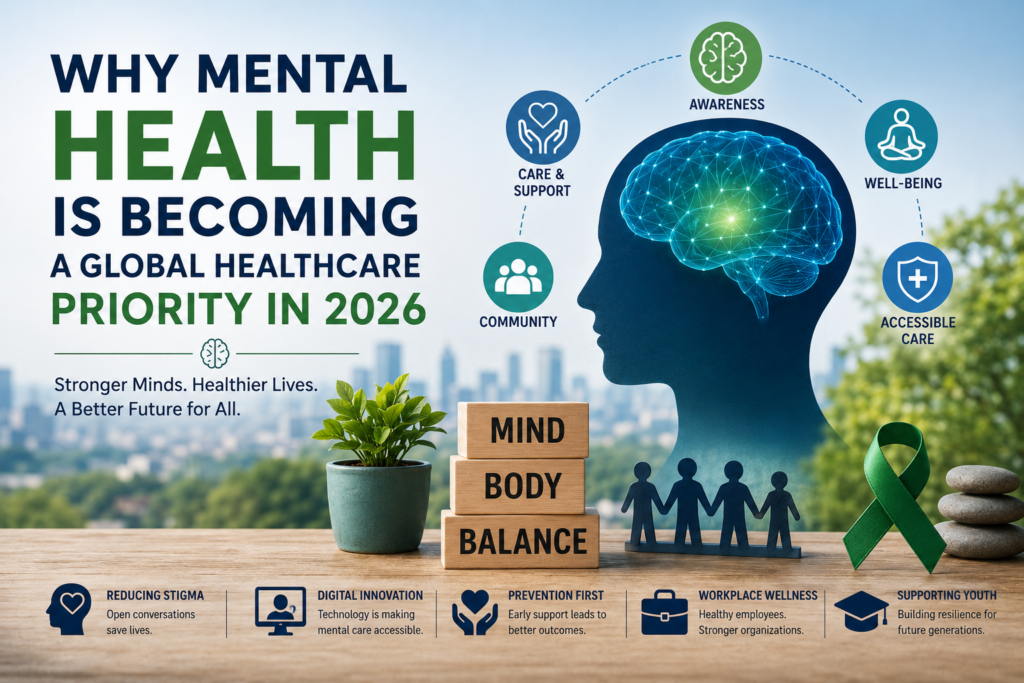
In 2026, healthcare systems are increasingly recognizing that mental health is just as important as physical health. Governments, employers, educational institutions, and healthcare providers are investing more resources into mental health services, digital therapy platforms, workplace wellness programs, and public awareness campaigns. The growing demand for accessible psychological care reflects a broader understanding that emotional well-being directly influences productivity, relationships, and overall quality of life.
Several factors have contributed to this shift. Fast-paced lifestyles, economic uncertainty, social isolation, excessive screen time, and workplace pressures have significantly increased stress levels. At the same time, the stigma surrounding mental health is gradually declining, encouraging more people to seek professional support without fear of judgment.
Modern healthcare is no longer focused solely on treating diseases after they appear. Instead, it emphasizes prevention, early intervention, and holistic well-being. Mental health has become a central part of this approach because emotional resilience is closely connected to physical health, career performance, and long-term happiness.
As technology continues to reshape healthcare, innovative solutions such as teletherapy, artificial intelligence, wearable health devices, and digital wellness applications are making mental health support more accessible than ever before.
Why Mental Health Is Essential for Overall Well-Being
Mental health influences every aspect of daily life. It affects how people think, make decisions, handle stress, build relationships, and perform at work. When mental well-being is neglected, it can contribute to a wide range of physical health problems, including heart disease, sleep disorders, weakened immune function, and chronic fatigue.
Healthcare professionals increasingly recognize that many physical conditions are closely linked to emotional health. Long-term stress, for example, can increase blood pressure, weaken the body’s natural defenses, and contribute to unhealthy lifestyle habits such as poor nutrition or lack of exercise.
Workplace mental health has become a major concern for employers around the world. High workloads, constant digital connectivity, and limited work-life balance have contributed to rising levels of employee burnout. Organizations are responding by offering counseling services, flexible working arrangements, wellness initiatives, and mental health education programs.
Educational institutions are also paying greater attention to student mental health. Academic pressure, social expectations, and uncertainty about future careers have increased stress among young people. Schools and universities are expanding access to counseling services and promoting emotional well-being alongside academic achievement.
Families also play a critical role in supporting mental health. Open communication, emotional support, and healthy relationships help individuals build resilience during difficult periods. Encouraging conversations about emotional well-being reduces stigma and allows people to seek help earlier.
Preventive care is becoming a key focus within mental healthcare. Rather than waiting until symptoms become severe, healthcare providers encourage regular mental wellness practices such as stress management, mindfulness, physical activity, quality sleep, and maintaining meaningful social connections.
By treating mental health as an essential component of overall wellness, healthcare systems can improve both individual outcomes and public health.
How Technology Is Transforming Mental Healthcare
Technology is changing the way mental health services are delivered, making support more convenient and accessible for millions of people. Digital innovation is helping remove many traditional barriers, including geographical distance, limited availability of specialists, and concerns about privacy.
Telehealth has become one of the most significant developments in mental healthcare. Virtual consultations allow patients to speak with licensed psychologists and therapists from their homes using secure video platforms. This convenience has increased access to care, particularly for people living in rural or underserved areas.
Artificial intelligence is also beginning to support mental healthcare in meaningful ways. AI-powered applications can monitor emotional patterns, identify early warning signs of stress, and provide personalized wellness recommendations. While these tools do not replace professional care, they help users become more aware of their mental well-being and encourage timely intervention.
Wearable technology has expanded beyond tracking physical fitness. Many smart devices now monitor sleep quality, heart rate variability, stress levels, and daily activity patterns. These insights help users recognize how lifestyle choices affect emotional health and motivate healthier routines.
Digital wellness applications offer guided meditation, breathing exercises, mood tracking, journaling, and cognitive behavioral therapy techniques. Many individuals use these platforms to manage everyday stress and improve emotional resilience.
Healthcare providers are also using data analytics to identify population-level mental health trends and improve preventive care programs. By understanding common risk factors and treatment outcomes, healthcare organizations can design more effective public health initiatives.
However, technology should complement—not replace—human connection. Professional therapists, psychologists, psychiatrists, and support networks remain essential for diagnosing and treating complex mental health conditions. The most effective healthcare systems combine digital innovation with compassionate human care.
Building a Healthier Future Through Mental Wellness
Creating a mentally healthy society requires collaboration among governments, healthcare providers, employers, educational institutions, communities, and individuals. Every stakeholder has a role in promoting emotional well-being and reducing barriers to care.
Healthcare policies are increasingly focusing on expanding access to mental health services, improving insurance coverage, and integrating psychological care into primary healthcare systems. Early diagnosis and treatment not only improve patient outcomes but also reduce long-term healthcare costs.
Businesses are recognizing that employee well-being contributes directly to organizational success. Companies that invest in mental health initiatives often experience improved productivity, stronger employee engagement, lower absenteeism, and higher retention rates.
Individuals can also take proactive steps to support their own mental health. Maintaining regular exercise, eating a balanced diet, getting sufficient sleep, limiting excessive screen time, practicing mindfulness, and nurturing supportive relationships all contribute to emotional resilience.
Seeking professional help should be viewed as a sign of strength rather than weakness. Just as people consult doctors for physical illnesses, speaking with a qualified mental health professional is an important step toward recovery and long-term wellness.
Communities can further strengthen mental health by encouraging open conversations, reducing stigma, and creating supportive environments where people feel comfortable discussing emotional challenges.
As awareness continues to grow, mental healthcare is becoming an essential pillar of modern medicine. Continued investment in education, technology, research, and accessible treatment will help create healthier societies where emotional well-being receives the same attention as physical health.
Conclusion
Mental health has become one of the defining healthcare priorities of 2026. Growing awareness, technological innovation, and changing societal attitudes are transforming how emotional well-being is understood and supported.
By combining preventive care, digital health solutions, professional treatment, and community support, healthcare systems can address the increasing demand for mental health services more effectively. Individuals who prioritize their emotional well-being often experience better physical health, stronger relationships, improved workplace performance, and a higher quality of life.
The future of healthcare extends beyond treating illness—it focuses on helping people live healthier, happier, and more balanced lives. Mental wellness is no longer an optional part of healthcare; it is a fundamental requirement for building stronger individuals, healthier workplaces, and more resilient communities.