
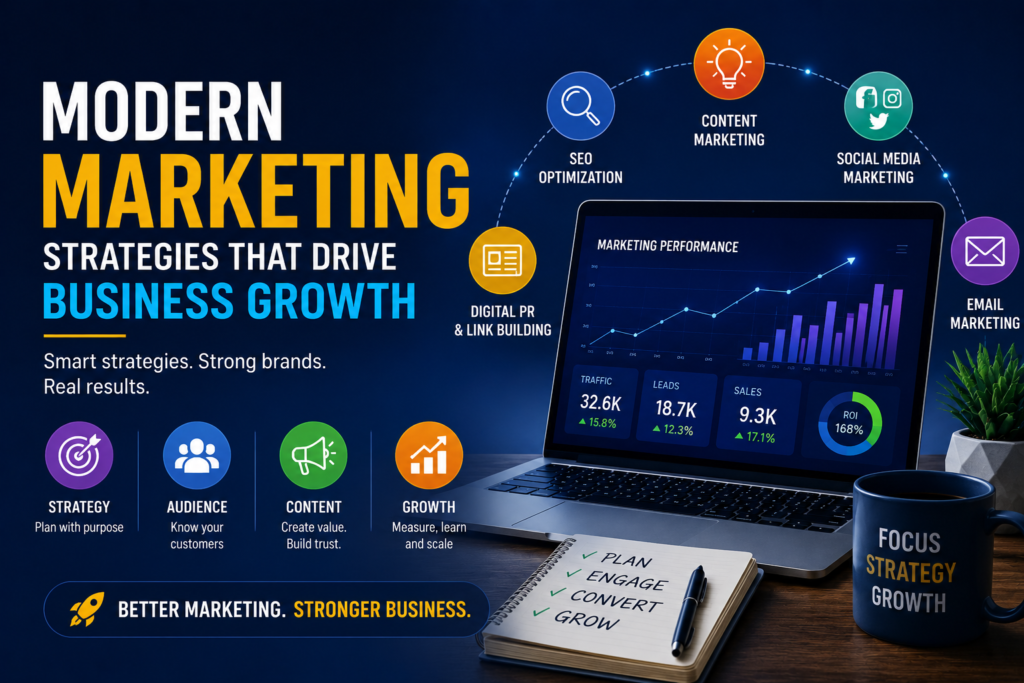
Why Marketing Has Changed More Than Ever
Marketing has always been the foundation of business growth, but in 2026 it has become more dynamic, data-driven, and customer-focused than ever before. Traditional advertising methods such as newspaper ads, billboards, and television commercials still exist, but digital platforms have completely transformed how businesses connect with their audiences.
Today’s consumers have access to unlimited information before making a purchase. They compare products, read reviews, watch videos, search on Google, and even ask AI tools for recommendations. This means businesses can no longer rely solely on promotional messages. Instead, they must provide value, build trust, and establish authority within their industries.
One of the biggest changes in modern marketing is the shift from selling products to solving problems. Customers are more likely to purchase from brands that educate them, answer their questions, and provide useful information. Companies that consistently publish helpful blogs, videos, guides, and case studies naturally build stronger relationships with potential customers.
Digital marketing also offers measurable results. Unlike traditional advertising, businesses can track website visitors, engagement rates, conversion rates, and return on investment. This allows marketers to continuously improve campaigns based on real data instead of assumptions.
Search engines continue to play a major role in customer acquisition. Millions of people use Google every day to find products, services, and answers to their questions. Businesses that invest in Search Engine Optimization (SEO) increase their visibility and attract highly targeted visitors without relying entirely on paid advertising.
Artificial intelligence has introduced another major transformation. AI-powered search engines, recommendation systems, chatbots, and content assistants are changing how consumers discover brands. Companies that optimize their websites with valuable content, structured information, and authoritative online mentions are more likely to appear in AI-generated search results.
Trust has become one of the most valuable marketing assets. Customers are increasingly cautious about misleading advertisements and exaggerated claims. Genuine testimonials, customer reviews, media mentions, and educational content create credibility that paid advertisements often cannot achieve.
Successful businesses understand that marketing is no longer about attracting the highest number of visitors. Instead, it is about attracting the right audience, providing meaningful experiences, and building long-term customer relationships.
Essential Marketing Strategies Every Business Should Implement
A successful marketing strategy combines multiple channels that work together to increase visibility, generate leads, and convert prospects into loyal customers.
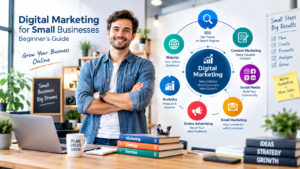
Content marketing remains one of the most effective long-term strategies. Publishing informative articles, industry reports, tutorials, and educational resources helps businesses demonstrate expertise while improving search engine rankings. High-quality content also provides valuable material for social media, newsletters, and email marketing campaigns.
Search Engine Optimization continues to deliver sustainable traffic. Optimizing website structure, improving page speed, targeting relevant keywords, and publishing authoritative content help businesses achieve higher rankings on search engines. Unlike paid advertisements that stop producing results once budgets end, organic SEO continues delivering visitors over time.
Social media marketing allows businesses to engage directly with their audience. Platforms such as LinkedIn, Facebook, Instagram, X, and YouTube provide opportunities to share valuable content, answer customer questions, and strengthen brand recognition. Businesses that actively participate in conversations often develop stronger customer loyalty.
Email marketing remains one of the highest-return digital marketing channels. Personalized newsletters, educational content, product updates, and exclusive offers help maintain communication with existing customers while encouraging repeat purchases. Automation tools now allow businesses to deliver highly relevant messages based on customer behavior.
Video marketing has become increasingly important because consumers prefer visual content. Product demonstrations, customer success stories, behind-the-scenes videos, interviews, and educational tutorials help explain complex topics while increasing engagement across digital platforms.
Digital Public Relations has emerged as a powerful authority-building strategy. Getting featured on trusted news websites, business publications, and industry blogs increases brand credibility while generating high-quality backlinks that strengthen SEO performance. Editorial mentions also improve visibility within AI-powered search platforms.
Customer experience is another critical marketing factor. Every interaction with a business influences purchasing decisions. Fast response times, transparent communication, helpful support, and consistent branding create positive experiences that encourage customer retention and word-of-mouth referrals.
Data analytics allows marketers to identify what works and what doesn’t. Monitoring website traffic, user behavior, conversion funnels, and campaign performance enables continuous improvement while maximizing marketing budgets.
Companies that integrate these strategies create marketing systems rather than isolated campaigns. Each channel supports the others, producing stronger and more sustainable growth.
Building a Future-Proof Marketing Strategy
As technology continues to evolve, businesses must remain flexible and willing to adapt. Marketing trends change rapidly, but the core principle remains the same: understanding customer needs and providing genuine value.
Businesses should begin by clearly defining their target audience. Understanding customer demographics, interests, pain points, and purchasing behavior allows marketers to create personalized campaigns that resonate with the right people. Generic marketing messages rarely produce exceptional results.
Consistency is equally important. Brands that maintain consistent messaging across websites, social media, email campaigns, and advertising build stronger recognition and trust. Customers are more likely to remember businesses that communicate a clear identity and mission.
Personalization has become a competitive advantage. Consumers expect businesses to understand their preferences and deliver relevant experiences. Personalized recommendations, customized email campaigns, and targeted content significantly improve engagement and conversion rates.
Investing in authority building should be a long-term priority. Publishing expert insights, participating in industry events, earning media coverage, and contributing thought leadership articles position businesses as trusted experts within their markets. Authority not only improves customer confidence but also strengthens search visibility.
Innovation should always remain part of the marketing strategy. Emerging technologies such as artificial intelligence, voice search, augmented reality, and predictive analytics continue reshaping customer expectations. Businesses that experiment with new tools while maintaining customer-focused strategies often outperform slower competitors.
Long-term success also depends on measuring performance regularly. Businesses should establish clear Key Performance Indicators (KPIs) such as website traffic, lead generation, conversion rates, customer acquisition costs, and customer lifetime value. Reviewing these metrics helps identify opportunities for improvement while ensuring marketing investments produce measurable business outcomes.
Finally, marketing should never focus solely on making immediate sales. The strongest brands build communities, educate audiences, and create lasting relationships. Customers who trust a brand become repeat buyers, recommend the business to others, and contribute to sustainable long-term growth.
In 2026, marketing is no longer just about promoting products—it is about creating meaningful experiences, building authority, and delivering consistent value. Businesses that embrace modern marketing strategies while staying committed to customer satisfaction will be well-positioned for continued success in an increasingly competitive digital landscape.