
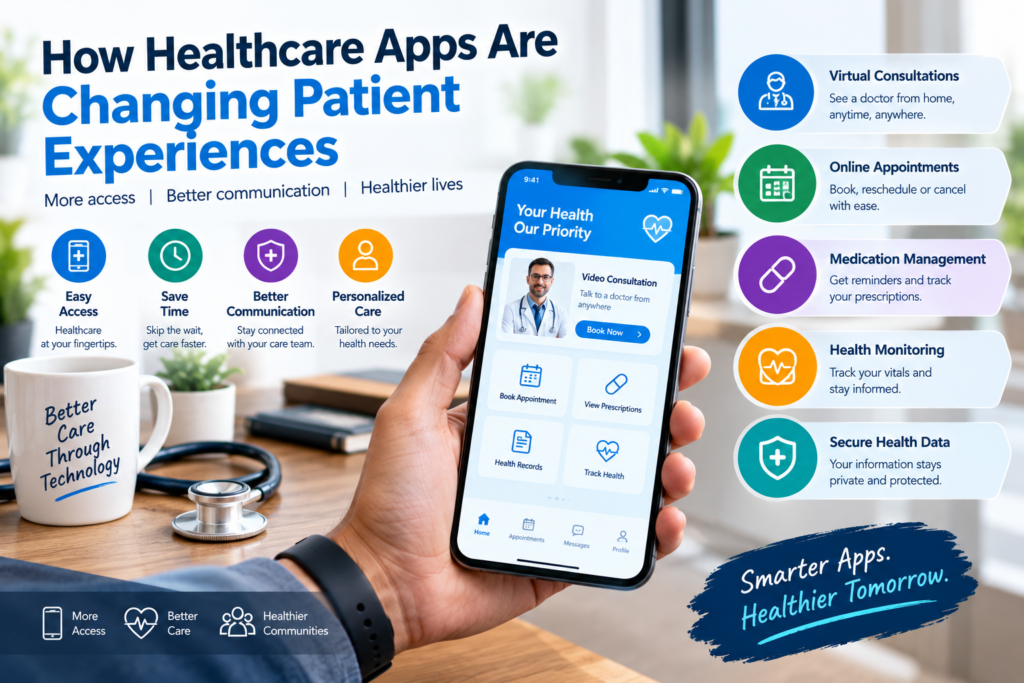
Healthcare apps have become an increasingly visible part of modern digital healthcare. People can now use mobile applications to manage appointments, access health information, communicate with healthcare providers, track selected health information, receive reminders, and interact with healthcare services through digital platforms.
The growing role of healthcare apps does not mean that every app provides medical care or that digital tools can replace healthcare professionals. Instead, these applications are becoming another way for patients and healthcare organizations to communicate and manage parts of the healthcare experience.
The value of an app depends on its purpose, design, reliability, privacy protections, accessibility, and how it fits into the wider healthcare system. The U.S. Food and Drug Administration (FDA) notes that mobile applications can support health and wellness, while some software functions may fall under medical-device oversight depending on their intended use and risk.
1. How Healthcare Apps Are Changing Everyday Patient Interactions
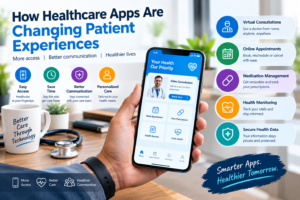
One of the biggest changes is the convenience of accessing healthcare-related services through a smartphone. Instead of relying entirely on phone calls or physical visits for routine administrative tasks, patients may be able to complete some activities through an app.
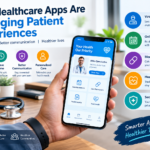
A well-designed healthcare app can provide features such as appointment scheduling, reminders, secure messaging, access to selected health information, prescription-related notifications, educational resources, and communication with a healthcare organization.
Appointment management is one example. Patients may be able to request or confirm appointments, receive reminders, review schedules, or communicate with a provider’s administrative team. These features can reduce some of the friction associated with routine healthcare administration.
Mobile applications can also make communication more convenient. Depending on the healthcare organization and the platform being used, patients may receive messages about appointments, documents, follow-up instructions, or other administrative information.
Another important area is access to health information. Digital platforms can help patients view information provided by healthcare organizations or access general educational resources. However, patients should distinguish between reliable health information and unverified content found online.
The U.S. Department of Health and Human Services explains that mobile health apps can involve different privacy and security considerations depending on what information the app collects, how it is used, and which organizations are involved.
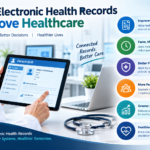
Healthcare apps can also support communication between different parts of a healthcare organization. When appropriately integrated with other systems, digital tools may help connect appointment systems, patient portals, electronic records, communication platforms, and other services.
This is where the broader idea of patient experience becomes important. A useful healthcare app is not simply an app with many features. It should make relevant tasks understandable, accessible, and reasonably easy to complete.
The best digital experiences are therefore likely to focus on practical needs rather than adding technology for its own sake.
2. Key Benefits and Limitations of Healthcare Apps
Healthcare apps can provide several potential benefits, but their usefulness depends heavily on how they are designed and implemented.
One benefit is convenience. Patients may be able to manage certain healthcare tasks without making a phone call or visiting a facility. This can be particularly useful for routine administrative activities.
Another potential benefit is continuity of communication. When an application is connected appropriately with a healthcare organization, patients may have a consistent digital channel for certain communications.
Healthcare apps can also support reminders. Notifications may help users remember appointments, scheduled activities, or other tasks related to services they are already receiving.
Some applications can also support self-management activities. Depending on their purpose, apps may allow users to record information, review trends, or monitor selected wellness measurements. However, information collected by an app should not automatically be interpreted as a medical diagnosis.
The FDA distinguishes between different types of software functions based on their intended purpose and risk. Some mobile health applications may fall outside medical-device regulation, while certain software functions that meet the definition of a medical device can be subject to FDA oversight.
Another potential benefit is accessibility. Digital services may make some healthcare interactions easier for people who have transportation difficulties, mobility limitations, or geographic barriers. However, digital access is not automatically equal access.
People may face barriers such as limited internet connectivity, lack of suitable devices, language differences, disabilities, low digital literacy, or difficulty navigating complex applications.
This is why digital health literacy is becoming increasingly relevant. Patients need enough understanding to know what an app does, what information it collects, how to use its features, and when information from an app should not be treated as a substitute for professional medical evaluation.
Privacy is another major consideration. Health information can be highly sensitive, and patients should understand the privacy practices of applications they use.
HHS explains that HIPAA protections do not automatically apply to every health-related application. In many cases, whether HIPAA applies depends on the organizations involved and how the app is provided and used.
Patients should therefore review an app’s privacy policy, understand what information is collected, consider whether data is shared with third parties, and use available security features such as strong passwords and multi-factor authentication.
Healthcare organizations also need to consider security when implementing applications. HHS guidance emphasizes privacy and security protections for health apps and explains that different laws and requirements may apply depending on the function of the app and the organizations involved.
3. The Future of Healthcare Apps and Patient-Centred Digital Care
The future of healthcare apps is likely to involve deeper integration with broader digital healthcare systems rather than isolated applications.
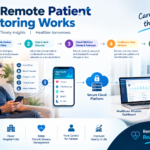
Applications may increasingly connect with patient portals, electronic health records, telehealth platforms, wearable devices, remote monitoring systems, and other digital services. The objective should be to create a more connected experience while maintaining appropriate privacy, security, accessibility, and professional oversight.
Global Business Times has already covered the broader role of health technology, including digital platforms, electronic systems, wearable devices, telehealth, and other technologies supporting healthcare.
Similarly, its coverage of digital healthcare explains how digital platforms can support communication, appointments, health information, remote services, and other aspects of healthcare access while also highlighting digital-equity and privacy considerations.
Healthcare apps may also become more personalized in how they present information. Instead of showing every available feature, future applications may increasingly focus on presenting relevant information at the appropriate time.
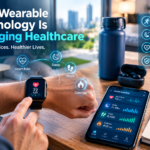
Integration with wearable devices is another area to watch. Global Business Times’ coverage of wearable technology notes that connected devices can collect health-related measurements and may become part of broader digital-health ecosystems involving remote monitoring and healthcare systems.
Artificial intelligence may also influence how healthcare applications organize information, communicate with users, or support administrative workflows. However, AI-based features introduce additional questions around accuracy, transparency, privacy, human oversight, and regulatory requirements.
The future should therefore not be measured simply by how many features an application has. A better measure is whether technology helps people interact with healthcare services more clearly and appropriately.
Healthcare organizations can also improve patient experiences by designing applications around real user needs. Clear navigation, accessible interfaces, understandable language, reliable notifications, appropriate security controls, and transparent privacy information can all contribute to a better digital experience.
At the same time, digital tools should complement rather than universally replace in-person healthcare. Some situations require physical examinations, diagnostic testing, procedures, emergency care, or direct interaction with healthcare professionals.
Conclusion
Healthcare apps are changing patient experiences by making some healthcare interactions more convenient, accessible, and digitally connected. Appointment management, communication, reminders, access to information, and selected health-management functions can all become easier through appropriately designed applications.
However, technology alone does not guarantee better healthcare. Privacy, security, accessibility, reliability, digital health literacy, professional oversight, and responsible implementation remain essential.
The future of healthcare apps will likely depend on how effectively these technologies are integrated into wider healthcare systems while keeping patients’ needs, safety, privacy, and understanding at the centre of the experience.
Editorial Disclaimer: This article is for general educational and informational purposes only. It does not provide medical diagnosis, treatment, or individualized medical advice. Healthcare decisions should be discussed with a qualified healthcare professional.