
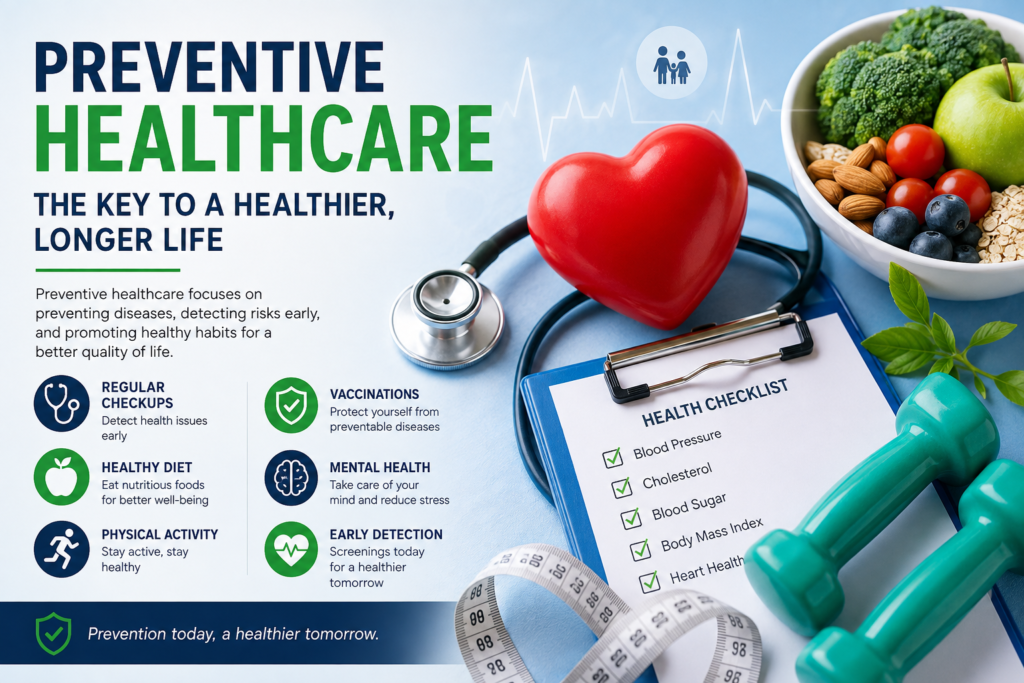
Preventive Healthcare: The Key to Living a Healthier, Longer Life
Healthcare is no longer just about treating diseases after they appear. Modern medicine emphasizes prevention, helping people avoid serious illnesses before they develop. This approach, known as preventive healthcare, focuses on maintaining overall wellness through regular medical checkups, healthy lifestyle choices, vaccinations, and early disease detection.
As healthcare costs continue to rise and chronic diseases become more common, preventive healthcare has become one of the most effective ways to improve quality of life while reducing long-term medical expenses. Whether you’re in your twenties or your retirement years, investing in preventive healthcare can help you stay healthier and more active for years to come.
What Is Preventive Healthcare?
Preventive healthcare refers to medical services and healthy practices designed to prevent diseases rather than treat them after they occur. It includes routine screenings, physical examinations, vaccinations, nutritional counseling, mental health support, and lifestyle improvements.
The primary goal is simple: identify health risks early, reduce the likelihood of illness, and encourage healthy habits that promote long-term well-being.
Healthcare professionals classify preventive care into three major categories:
- Primary Prevention: Preventing diseases before they occur through vaccination, exercise, healthy eating, and avoiding harmful habits.
- Secondary Prevention: Detecting diseases early through screenings such as blood pressure checks, cholesterol tests, mammograms, and diabetes screening.
- Tertiary Prevention: Managing existing conditions to prevent complications and improve quality of life.
Why Preventive Healthcare Is Important
Millions of people suffer from preventable diseases every year. Conditions such as heart disease, diabetes, obesity, and certain cancers are strongly influenced by lifestyle choices.
Preventive healthcare offers several important benefits:
Early Detection Saves Lives
Many serious illnesses develop silently without noticeable symptoms. Regular health screenings can detect diseases in their earliest stages when treatment is often simpler, less expensive, and more effective.
Early diagnosis significantly improves survival rates for conditions such as breast cancer, colon cancer, hypertension, and diabetes.
Lower Healthcare Costs
Preventing illness is generally much less expensive than treating advanced disease.
Routine health checkups, vaccinations, and healthy lifestyle choices reduce hospital admissions, emergency care, surgeries, and long-term medication costs.
Individuals who prioritize preventive care often experience fewer medical expenses over their lifetime.
Better Quality of Life
Good health allows people to remain active, productive, and independent.
Preventive healthcare helps maintain physical fitness, mental wellness, and emotional balance while reducing the risk of chronic pain and disability.
Essential Components of Preventive Healthcare
Regular Medical Checkups
Annual health examinations help doctors monitor overall health and identify potential concerns before they become serious.
Routine assessments may include:
- Blood pressure measurement
- Blood sugar testing
- Cholesterol screening
- Body Mass Index (BMI)
- Vision examinations
- Hearing assessments
- Dental checkups
Your healthcare provider may recommend additional tests based on age, family history, and lifestyle.
Vaccinations
Vaccines protect individuals and communities from infectious diseases.
Recommended immunizations vary by age but commonly include:
- Influenza vaccine
- COVID-19 vaccine
- Hepatitis vaccines
- HPV vaccine
- Tetanus booster
- Pneumonia vaccine for older adults
Vaccination remains one of the safest and most effective preventive healthcare measures available.
Healthy Nutrition
A balanced diet provides the body with essential nutrients required for proper functioning.
Experts recommend:
- Fresh fruits and vegetables
- Whole grains
- Lean proteins
- Healthy fats
- Adequate hydration
Reducing processed foods, excess sugar, and high sodium intake can significantly decrease the risk of chronic diseases.
Physical Activity
Regular exercise improves nearly every aspect of health.
Benefits include:
- Better cardiovascular health
- Stronger muscles and bones
- Improved mental health
- Weight management
- Reduced diabetes risk
- Enhanced immune function
Adults should aim for at least 150 minutes of moderate exercise each week.
Mental Health Care
Mental well-being is equally important as physical health.
Preventive mental healthcare includes:
- Stress management
- Quality sleep
- Social connections
- Counseling when needed
- Mindfulness practices
Addressing mental health early helps prevent anxiety, depression, and burnout.
Common Preventive Health Screenings
Healthcare providers recommend different screenings depending on age and individual risk factors.
Common examples include:
- Blood pressure screening
- Cholesterol testing
- Diabetes screening
- Colon cancer screening
- Breast cancer screening
- Cervical cancer screening
- Prostate evaluation
- Osteoporosis testing
- Skin cancer examination
Following recommended screening schedules greatly improves early detection rates.
Lifestyle Habits That Support Preventive Healthcare
Healthy daily habits have a lasting impact on long-term wellness.
Some of the most effective practices include:
Quit Smoking
Smoking damages nearly every organ in the body and significantly increases the risk of cancer, heart disease, stroke, and respiratory illnesses.
Stopping smoking provides immediate and long-term health benefits.
Limit Alcohol Consumption
Excessive alcohol intake contributes to liver disease, hypertension, certain cancers, and mental health disorders.
Moderation is essential for maintaining overall health.
Sleep Well
Adults should prioritize 7–9 hours of quality sleep each night.
Adequate sleep supports:
- Brain function
- Immune health
- Hormone regulation
- Memory
- Emotional well-being
Stay Hydrated
Water supports digestion, circulation, kidney function, and body temperature regulation.
Most adults benefit from drinking sufficient water throughout the day.
Technology Is Transforming Preventive Healthcare
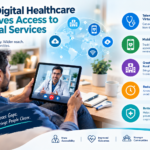
Healthcare technology continues to make preventive care more accessible.
Examples include:
- Telemedicine consultations
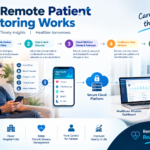
- Wearable fitness trackers
- Smartwatches that monitor heart rate
- Blood glucose monitoring devices
- AI-powered health risk assessments
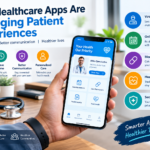
- Mobile health applications
These innovations help individuals monitor their health in real time and encourage healthier behaviors.
Preventive Healthcare Across Different Age Groups
Children
Preventive care focuses on:
- Vaccinations
- Growth monitoring
- Vision and hearing checks
- Nutritional guidance
- Developmental assessments
Adults
Adults benefit from:
- Annual physical examinations
- Blood pressure monitoring
- Cholesterol testing
- Diabetes screening
- Mental health evaluations
- Healthy lifestyle counseling
Older Adults
Senior preventive care often includes:
- Bone density testing
- Fall prevention
- Memory assessments
- Vaccinations
- Chronic disease management
- Medication reviews
Age-specific care improves independence and overall quality of life.
Challenges in Preventive Healthcare
Despite its benefits, many people delay preventive care due to:
- Limited healthcare access
- Financial concerns
- Busy schedules
- Lack of awareness
- Fear of medical diagnoses
Governments, healthcare providers, and communities continue working to improve awareness and increase access to preventive services.
The Future of Preventive Healthcare
The future of healthcare is increasingly personalized.
Advancements in genetics, artificial intelligence, wearable technology, and predictive analytics allow healthcare providers to identify disease risks earlier than ever before.
Personalized prevention plans may soon become standard practice, enabling individuals to receive recommendations based on their genetic profile, lifestyle, and medical history.
This proactive approach promises better health outcomes while reducing healthcare costs worldwide.
Final Thoughts
Preventive healthcare is one of the smartest investments anyone can make. Rather than waiting for illness to develop, preventive care empowers individuals to take control of their health through routine screenings, healthy lifestyle choices, vaccinations, and early medical intervention.
Small daily habits—such as eating nutritious foods, exercising regularly, getting enough sleep, managing stress, and scheduling annual health checkups—can dramatically reduce the risk of chronic disease and improve overall well-being.
The journey toward better health begins with prevention. By making preventive healthcare a priority today, you can enjoy a healthier, happier, and longer life while reducing the burden of preventable diseases for yourself, your family, and your community.