
As businesses become increasingly dependent on digital technologies, cybersecurity has evolved from an IT concern into a critical business priority. Cyber threats continue to grow in sophistication, targeting organizations of all sizes across every industry.
In 2026, companies face a rapidly changing threat landscape that includes ransomware attacks, phishing campaigns, data breaches, insider threats, and AI-powered cybercrime. Businesses that fail to implement strong cybersecurity measures risk financial losses, operational disruptions, regulatory penalties, and reputational damage.
To protect sensitive information and maintain customer trust, organizations must adopt a proactive approach to cybersecurity.
The Growing Importance of Cybersecurity
Modern businesses rely heavily on digital systems for daily operations.
These systems often store valuable information such as:
- Customer data
- Financial records
- Employee information
- Intellectual property
- Business communications
Cybercriminals target this information for financial gain, espionage, fraud, and disruption.
As digital transformation accelerates, cybersecurity becomes increasingly important for business continuity and long-term success.
Understanding Today’s Cyber Threats
Organizations face a variety of cyber risks.
Phishing Attacks
Phishing remains one of the most common cybersecurity threats.
Attackers send fraudulent emails or messages designed to trick employees into revealing passwords, financial information, or sensitive company data.
Ransomware
Ransomware encrypts company data and demands payment for its release.
These attacks can halt business operations and cause significant financial damage.
Data Breaches
Unauthorized access to confidential information can expose customer records, intellectual property, and business secrets.
Insider Threats
Employees, contractors, or partners may intentionally or unintentionally compromise security.
AI-Powered Cybercrime
Cybercriminals increasingly use artificial intelligence to automate attacks, create convincing phishing messages, and identify vulnerabilities faster.
Understanding these threats is the first step toward effective protection.
Building a Cybersecurity Culture
Technology alone cannot guarantee security.
Employees play a critical role in protecting business systems and data.
Organizations should foster a cybersecurity-focused culture by:
- Providing regular security training
- Promoting awareness of cyber threats
- Encouraging responsible digital behavior
- Establishing clear security policies
When employees understand their responsibilities, organizations become significantly more resilient against attacks.
Implementing Strong Password Policies
Weak passwords remain a major security vulnerability.
Businesses should require:
- Complex passwords
- Unique passwords for each account
- Regular password updates
- Password manager usage
Strong password practices help reduce the risk of unauthorized access.
Organizations should discourage employees from reusing passwords across multiple systems.
Enabling Multi-Factor Authentication
Multi-factor authentication (MFA) adds an additional layer of security.
Users must verify their identity through multiple methods, such as:
- Passwords
- Mobile authentication apps
- Security tokens
- Biometric verification
Even if a password is compromised, MFA significantly reduces the likelihood of unauthorized access.
For most businesses, MFA should be mandatory for critical systems.
Keeping Software Updated
Outdated software often contains known vulnerabilities that attackers can exploit.
Organizations should maintain a structured update process for:
- Operating systems
- Applications
- Security tools
- Web platforms
- Mobile devices
Regular updates ensure security patches are applied promptly and vulnerabilities are minimized.
Automated patch management can improve efficiency and reduce risk.
Securing Business Networks
Network security forms the foundation of a strong cybersecurity strategy.
Businesses should implement:
- Firewalls
- Intrusion detection systems
- Secure Wi-Fi configurations
- Network segmentation
- Virtual private networks (VPNs)
These measures help prevent unauthorized access and limit the spread of potential threats.
Protecting Sensitive Data
Data protection is essential for compliance and customer trust.
Organizations should classify and secure information based on sensitivity.
Recommended practices include:
- Data encryption
- Access controls
- Secure backups
- Data retention policies
- Secure file sharing
Protecting sensitive information reduces exposure during cyber incidents.
Conducting Regular Security Audits
Security audits help organizations identify weaknesses before attackers do.
Audits should assess:
- System vulnerabilities
- Access permissions
- Security policies
- Compliance requirements
- Incident response readiness
Regular assessments enable businesses to strengthen defenses continuously.
Cybersecurity should be viewed as an ongoing process rather than a one-time project.
Employee Cybersecurity Training
Human error remains one of the leading causes of security incidents.
Training programs should educate employees about:
- Phishing recognition
- Password security
- Safe internet usage
- Social engineering attacks
- Data protection responsibilities
Organizations that invest in employee education often experience fewer security incidents.
Awareness is one of the most cost-effective cybersecurity investments.
Developing an Incident Response Plan
No security system is perfect.
Businesses must prepare for potential incidents by creating an incident response plan.
The plan should define:
- Response procedures
- Roles and responsibilities
- Communication protocols
- Recovery processes
- Reporting requirements
A well-prepared response can significantly reduce the impact of cyberattacks.
Backup and Disaster Recovery
Data backups are critical for business continuity.
Organizations should maintain:
- Automated backups
- Offsite storage
- Cloud backups
- Recovery testing procedures
Regular backup testing ensures systems can be restored quickly if an incident occurs.
Strong backup strategies are particularly important for defending against ransomware attacks.
Managing Third-Party Risk
Many organizations rely on external vendors and service providers.
These relationships can introduce cybersecurity risks.
Businesses should evaluate vendors based on:
- Security practices
- Compliance standards
- Data protection measures
- Incident response capabilities
Third-party risk management helps prevent vulnerabilities from entering the business ecosystem.
Leveraging Artificial Intelligence for Security
Artificial intelligence is becoming a powerful cybersecurity tool.
AI-driven security solutions can:
- Detect unusual behavior
- Identify threats faster
- Automate responses
- Improve threat intelligence
- Reduce false positives
As cyber threats become more sophisticated, AI will play an increasingly important role in protecting organizations.
Regulatory Compliance Considerations
Many industries must comply with cybersecurity and privacy regulations.
Examples include:
- GDPR
- HIPAA
- PCI DSS
- SOC 2
Compliance requirements vary by industry and region.
Businesses should ensure security practices align with applicable regulations to avoid penalties and legal issues.
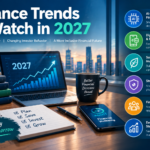
Cybersecurity Trends to Watch in 2026
Several trends are expected to shape cybersecurity in 2026:
- Increased AI-powered attacks
- Growth of zero-trust security models
- Enhanced cloud security solutions
- Greater focus on supply chain security
- Expansion of cybersecurity automation
Organizations that stay informed about emerging threats will be better prepared to adapt.
Conclusion
Cybersecurity is no longer optional for modern businesses. As digital systems become increasingly integrated into daily operations, organizations must take proactive steps to protect their data, employees, customers, and reputation.
Strong password policies, multi-factor authentication, employee training, data protection measures, and incident response planning form the foundation of an effective cybersecurity strategy.
Businesses that prioritize cybersecurity in 2026 will not only reduce risk but also strengthen customer trust, improve resilience, and support sustainable growth in an increasingly connected world.