
The healthcare industry is entering a new era of innovation driven by technology, data, and evolving patient expectations. Healthcare providers, governments, insurers, and technology companies are investing heavily in solutions designed to improve patient outcomes, increase efficiency, and reduce costs.
In 2026, several emerging trends are expected to reshape healthcare delivery worldwide. From artificial intelligence and telehealth to personalized medicine and wearable devices, healthcare systems are becoming more connected, data-driven, and patient-centered.
Organizations that embrace these innovations will be better positioned to meet the growing demands of modern healthcare.
The Evolution of Modern Healthcare
Healthcare has traditionally relied on in-person consultations, paper-based records, and reactive treatment models.
Today, the industry is shifting toward:
Digital healthcare services
Preventive care
Personalized treatment
Remote monitoring
Data-driven decision making
This transformation is helping providers deliver more efficient and accessible care while empowering patients to take a more active role in managing their health.
Artificial Intelligence in Healthcare
Artificial intelligence continues to be one of the most influential trends in healthcare.
Healthcare organizations are using AI to:
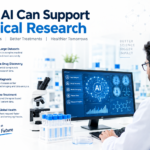
Assist medical diagnoses
Analyze patient data
Predict disease risks
Improve treatment recommendations
Automate administrative tasks
AI-powered systems can identify patterns within large datasets that may not be immediately visible to healthcare professionals.
As machine learning technology advances, AI is expected to play an increasingly important role in clinical decision-making and operational efficiency.
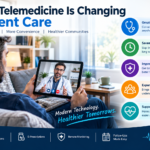
Expansion of Telehealth Services
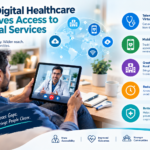
Telehealth experienced rapid growth in recent years and remains a major healthcare trend in 2026.
Virtual healthcare services provide patients with:
Convenient consultations
Reduced travel requirements
Faster access to specialists
Improved continuity of care
Healthcare providers benefit from increased efficiency and expanded patient reach.
Many experts believe hybrid care models that combine virtual and in-person services will become the standard approach for healthcare delivery.
Remote Patient Monitoring
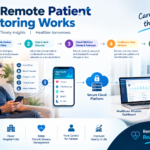
Remote patient monitoring allows healthcare providers to track patient health outside traditional clinical settings.
Connected devices can monitor:
Heart rate
Blood pressure
Blood glucose levels
Oxygen saturation
Physical activity
Continuous monitoring helps identify potential health issues earlier and enables proactive interventions.
This trend is particularly valuable for managing chronic diseases and reducing hospital readmissions.
Personalized Medicine
Healthcare is moving away from one-size-fits-all treatment approaches.
Personalized medicine uses individual factors such as:
Genetics
Lifestyle
Medical history
Environmental influences
to develop tailored treatment plans.
Advancements in genetic testing and precision medicine are enabling healthcare providers to deliver more targeted therapies with improved outcomes.
As research progresses, personalized medicine is expected to become increasingly common.
Wearable Health Technology
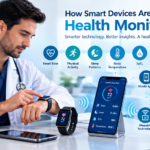
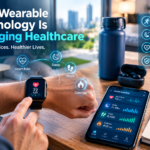
Wearable devices continue to transform how individuals monitor their health.
Popular devices now track:
Physical activity
Sleep quality
Heart rate
Stress levels
Blood oxygen levels
These technologies provide valuable health insights while encouraging healthier lifestyles.
Healthcare providers are increasingly incorporating wearable data into patient care plans to support preventive healthcare strategies.
Mental Health Technology Solutions
Mental health remains a growing priority within healthcare systems worldwide.
Technology is expanding access to mental health support through:
Virtual therapy sessions
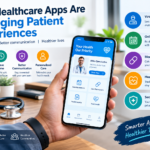
Mental health applications
Digital wellness platforms
AI-powered support tools
These solutions help reduce barriers to care while increasing accessibility and convenience.
As awareness of mental health issues continues to grow, digital mental health services are expected to expand significantly.
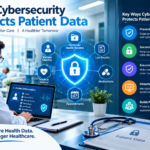
Healthcare Cybersecurity
As healthcare becomes increasingly digital, cybersecurity is becoming more critical.
Healthcare organizations store vast amounts of sensitive information, including:
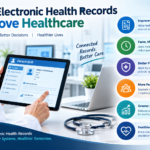
Medical records
Financial data
Insurance information
Personal identification details
Protecting this data requires strong security measures such as:
Multi-factor authentication
Data encryption
Employee training
Threat monitoring systems
Cybersecurity investments will remain a top priority throughout 2026 and beyond.
Cloud-Based Healthcare Systems
Cloud computing is helping healthcare organizations improve efficiency and collaboration.
Benefits include:
Secure data storage
Improved accessibility
Enhanced scalability
Better disaster recovery capabilities
Cloud-based systems allow healthcare professionals to access patient information more easily while supporting coordinated care across multiple locations.
The adoption of cloud technologies is expected to continue growing throughout the healthcare industry.
Robotics and Automation
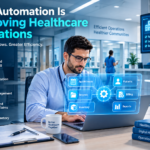
Healthcare providers are increasingly using robotics and automation to improve efficiency.
Applications include:
Surgical assistance
Pharmacy automation
Laboratory processes
Hospital logistics
Administrative workflows
Automation reduces manual workloads and allows healthcare professionals to focus more on patient care.
Robotics technology continues to advance, creating new opportunities across clinical and operational settings.
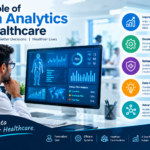
Data Analytics and Predictive Healthcare
Healthcare organizations generate enormous amounts of data every day.
Advanced analytics tools help providers:
Identify health trends
Predict patient risks
Optimize resource allocation
Improve treatment outcomes
Predictive analytics enables earlier intervention and supports more proactive healthcare delivery.
Organizations that effectively utilize data will gain significant advantages in patient care and operational performance.
The Growing Focus on Preventive Care
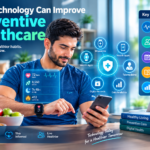
Preventive healthcare is becoming increasingly important as healthcare systems seek to improve outcomes while controlling costs.
Preventive strategies include:
Regular screenings
Health monitoring
Lifestyle interventions
Early disease detection
Technology is making preventive care more accessible and effective.
By identifying health risks earlier, providers can reduce the need for costly treatments and improve patient quality of life.
Healthcare Workforce Transformation
Healthcare organizations continue to face workforce challenges, including staffing shortages and increasing demand for services.
Technology is helping address these challenges through:
Workflow automation
AI-powered assistance
Remote collaboration tools
Virtual training platforms
These solutions support healthcare professionals while improving productivity and care delivery.
Sustainability in Healthcare
Environmental sustainability is becoming a greater focus within healthcare systems.
Organizations are exploring ways to:
Reduce waste
Improve energy efficiency
Optimize supply chains
Implement environmentally responsible practices
Sustainable healthcare initiatives benefit both organizations and the communities they serve.
Challenges Ahead
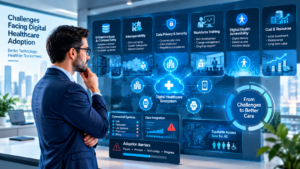
Despite significant progress, healthcare organizations must address several ongoing challenges:
Data privacy concerns
Regulatory compliance requirements
Technology integration complexity
Rising healthcare costs
Digital access disparities
Successfully navigating these challenges will require collaboration between healthcare providers, technology companies, policymakers, and patients.
Conclusion
Healthcare in 2026 is being shaped by rapid technological innovation and a growing focus on patient-centered care. Artificial intelligence, telehealth, remote monitoring, personalized medicine, wearable technology, and advanced analytics are transforming how healthcare is delivered and experienced.
While challenges remain, these innovations offer significant opportunities to improve accessibility, efficiency, and health outcomes.
Organizations that embrace emerging healthcare trends will be better equipped to meet the evolving needs of patients and contribute to a more connected and effective healthcare system in the years ahead.